Visual Advantage of Full-Panel PPF Coverage: Ultimate Car Paint Protection and Clarity
Protecting your car's paint goes beyond keeping it looking nice. It's about preserving long-term value and preventing damage that compounds into costly repairs over time. Many vehicle owners assume a simple wax or partial film application is enough, but full-panel paint protection film (PPF) takes protection to a different level entirely. By covering every inch of painted surface with a tough, virtually invisible shield, full-panel PPF delivers superior defense against chips and scratches while maintaining the car's original shine without any distracting film edges.
What Full-Panel PPF Coverage Actually Means
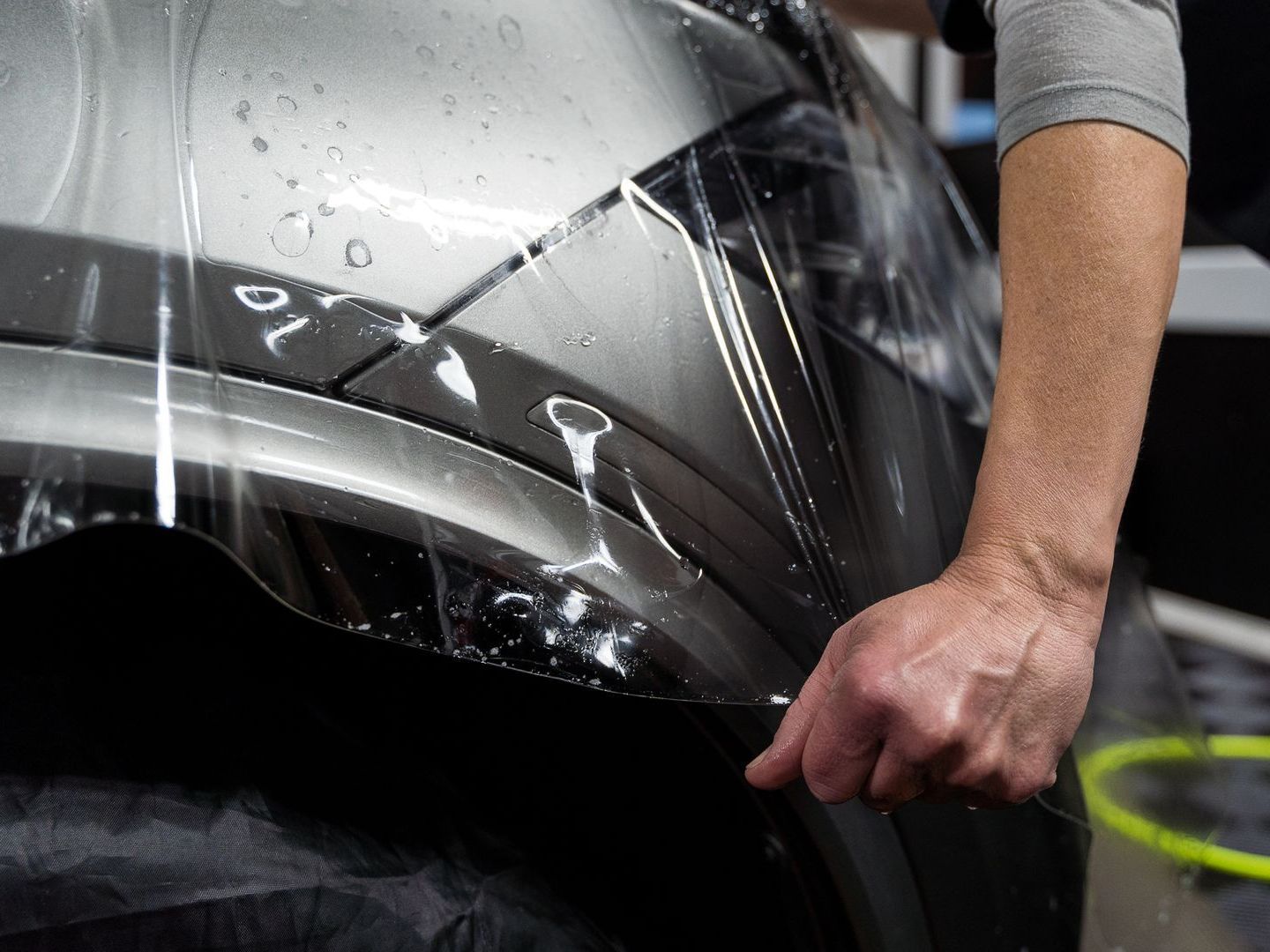
Full-panel paint protection film is a commitment to preserving your vehicle's appearance in its entirety. Unlike partial coverage that targets only the most vulnerable zones, full-panel PPF acts as an invisible shield that wraps every painted surface on your car. That includes the doors, roofline, side mirrors, fenders, door edges, and anywhere else road hazards could cause harm.
The most important visual benefit of full-panel installation is its seamlessness. Drivers who opt for partial wraps often notice where the film starts and stops, a subtle but distracting interruption in the smooth lines and gloss of the original paint. Full-panel installation eliminates that problem entirely. The film uses advanced polyurethane materials engineered for optical clarity, preserving color vibrancy and shine without adding unwanted texture or haze. The result is a finish that looks and feels exactly like the factory paint, just significantly better protected.
Protection Against Everyday and Long-Term Damage
The physical protection that full-panel PPF provides is substantial. The film acts as a sacrificial layer, absorbing minor scratches, stone chips, and chemical damage from bird droppings or acid rain before any of it reaches the actual paint. Because coverage is continuous across the entire vehicle, there are no weak points where debris, UV rays, or environmental contaminants can get through. That consistent tension across all panels also reduces edge lifting and peeling, a common issue with partial installations where stress concentrates at unprotected boundaries.
One often-overlooked benefit is how full-panel coverage combats environmental damage over time. Ultraviolet radiation from sunlight causes paint oxidation and gradual fading, dulling a vehicle's color and weakening the clear coat. When only part of a vehicle is protected, covered panels age differently than exposed ones, creating an uneven appearance over time. Full coverage ensures every painted surface receives consistent UV protection, so the whole vehicle ages uniformly and retains its original depth of color.
Full-panel films also tend to last longer than their partial counterparts under similar conditions, often remaining effective well past the lifespan of a partial installation. That extended durability translates into real savings over the course of ownership, reducing the need for repainting, touch-ups, and frequent detailing.
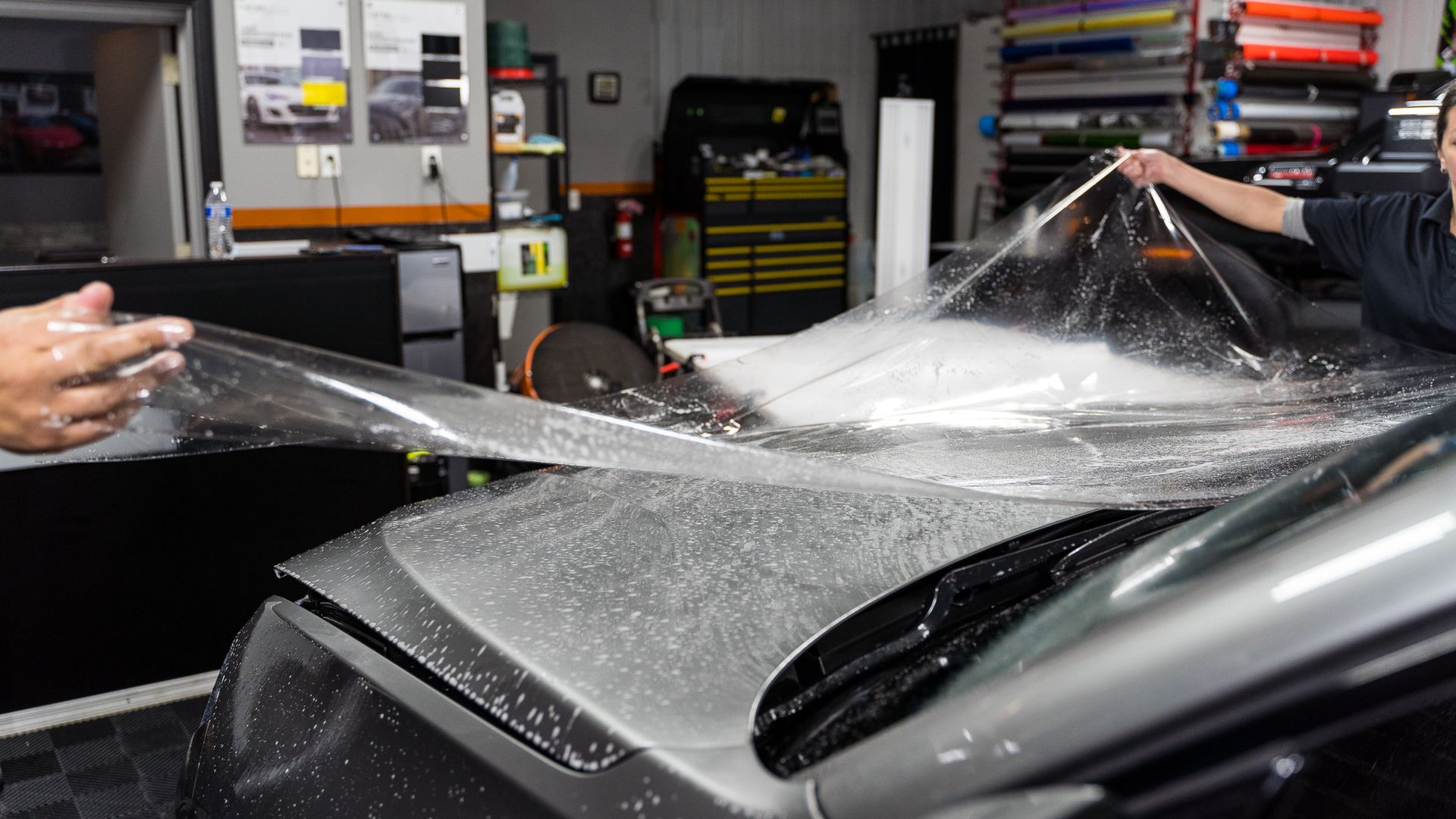
The Self-Healing Advantage
Modern PPF technology includes a self-healing topcoat that addresses one of the most frustrating aspects of car ownership: the accumulation of minor surface scratches from daily driving. When the film is exposed to warmth, whether from sunlight or warm water, the polymers in the urethane layer relax and fill in shallow abrasions. Scratches that would otherwise gradually dull the surface simply disappear. This is not a one-time feature; it works repeatedly over the life of the film, keeping the surface consistently smooth without any intervention from the owner. This quality is especially valuable for vehicles driven frequently in urban environments, on highways, or in areas with gravel roads, where minor surface contact is nearly unavoidable. Rather than watching those small marks accumulate, owners with full-panel PPF see them resolve on their own.
Full-Panel vs. Partial Coverage: Understanding the Difference
The choice between full-panel and partial PPF is not simply about how much of the car is covered. It reflects how much risk a vehicle owner is willing to accept and how long they plan to maintain the car's appearance at a high level. Partial coverage targets high-impact areas like the front bumper, hood, and side mirrors. It provides meaningful protection for those zones but leaves door panels, rockers, rear bumpers, and other surfaces open to wear. Over time, the difference between protected and unprotected areas becomes visible. Partial film installations can also leave noticeable edge lines where the film meets bare paint, which can attract dirt or begin to lift after extended exposure to the elements.
Full-panel coverage eliminates all of those concerns. Every surface is protected equally, edges are tucked and hidden, and the overall appearance remains clean and consistent. For owners of newer vehicles, luxury cars, or any vehicle they intend to keep in top condition for years, full-panel PPF is the more complete solution. That said, partial coverage still offers real value for owners working within a tighter budget or those who drive primarily in low-risk conditions. Protecting the most impact-prone zones is far better than no protection at all. The right choice depends on the vehicle, the driving environment, and the owner's goals.
The Value of the Investment
Full-panel PPF carries a higher upfront cost than partial coverage, typically ranging from a few thousand dollars to more, depending on vehicle size and film quality. For many owners, that figure requires careful consideration. But the long-term math often supports the investment. Paint chip repairs, touch-ups, and panel repaints accumulate quickly over the life of a vehicle, particularly for those who commute regularly or park in busy urban environments. Full-panel PPF significantly reduces those costs by preventing the damage in the first place.
Beyond repair savings, a vehicle with well-maintained original paint and documented protective care tends to command more at resale. Buyers can see the condition of the paint, and a clean, chip-free, unrepainted exterior signals that the car has been well cared for. The investment makes the most sense for vehicles that hold higher value, are exposed regularly to highway driving or harsh weather conditions, or belong to owners who take pride in keeping their cars in showroom condition. For those planning a short-term ownership period or driving a lower-value vehicle, targeted partial coverage may be the more practical option.
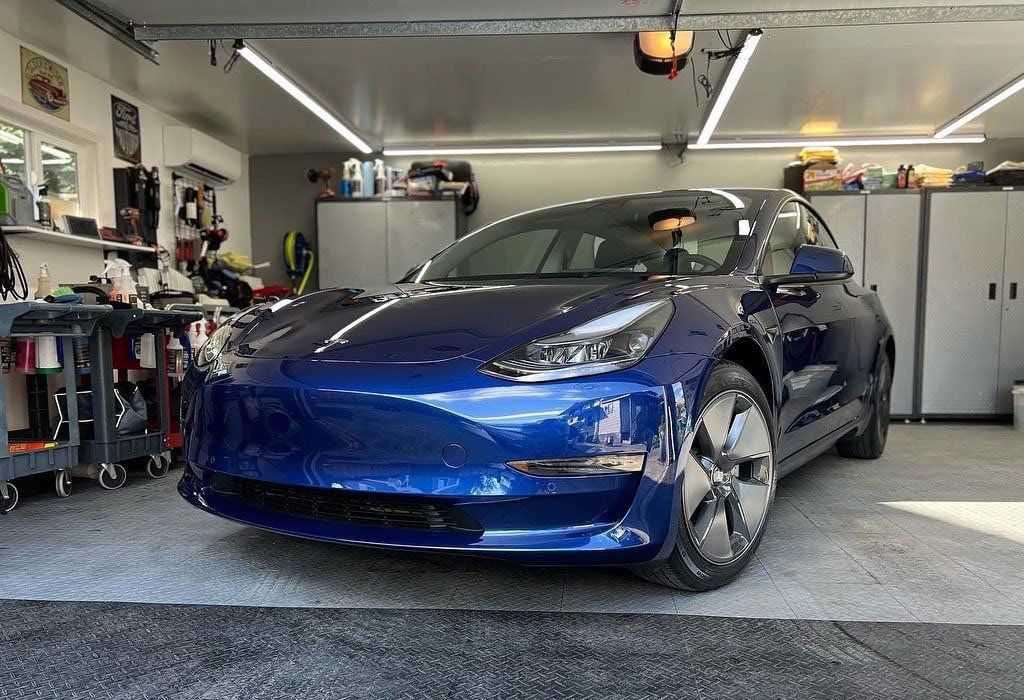
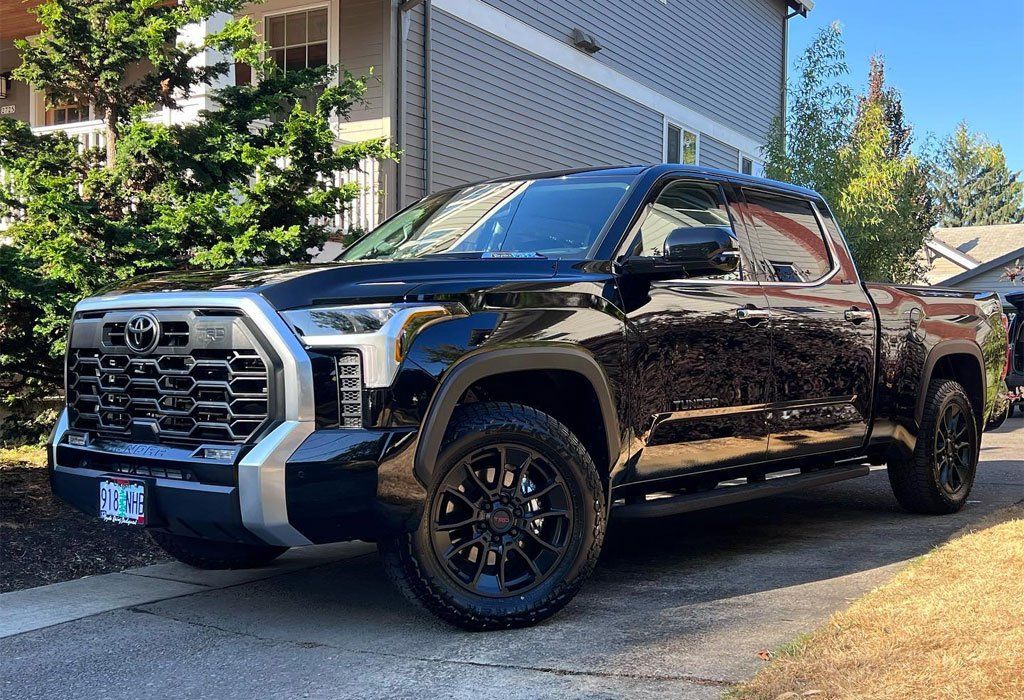
Maintaining Your PPF After Installation
Getting the most out of full-panel PPF starts with proper installation by a trained professional. Precise application ensures the film lies flat over every contour without air bubbles or misaligned edges, both of which can compromise protection and appearance over time. After installation, the first week is a critical curing period. The film's adhesive needs time to bond fully to the paint, so avoiding washing the vehicle or exposing it to heavy moisture during that window helps ensure a long-lasting seal. Parking in a warm environment or in direct sunlight during this period supports the curing process.
Once cured, ongoing care is straightforward. Washing with a pH-neutral soap using a soft wash mitt is the standard approach. Avoid abrasive sponges or automatic car washes with brushes, as embedded grit can leave micro-scratches in the film. When drying, blot gently with a thick microfiber towel rather than dragging it across the surface to preserve the self-healing topcoat. High-pressure water directed at seams or edges should also be avoided. Removing contaminants like bird droppings or insect residue promptly prevents acidic damage to the film surface. For more thorough decontamination, a professional cleaning every six months keeps the film clear and performing at its best.
Some owners also apply a ceramic coating over the PPF, which adds hydrophobic properties that make water bead off effortlessly and improves resistance to light contamination. This is a complementary enhancement, not a replacement for regular maintenance. With the right care routine, full-panel PPF can protect a vehicle's finish for years, preserving the appearance and value that made the car worth protecting in the first place.
Best PPF Installers in Oregon City, OR
Full-panel PPF delivers unmatched clarity and complete coverage, and Portland Pro Detail brings that level of precision to every installation in Oregon City, OR. Our
expert paint protection film services are designed to maintain a uniform, edge-free appearance while shielding every painted surface from daily wear and environmental exposure. With careful alignment, clean edge work, and attention to detail throughout the process, our team ensures your vehicle retains its smooth, consistent finish without interruption.
Schedule your appointment with us today and experience how expertly installed paint protection film can keep your vehicle looking refined and well-maintained for the long haul!
Portland Pro Detail Blog