Can PPF Be Removed Without Damaging Factory Paint? A Safe Process Guide
Yes. Paint protection film (PPF) can be removed without damaging factory paint when the adhesive is warmed first and the film is peeled back slowly at a low angle. Factory paint is baked and fully cured at the plant, so it holds up well to careful removal. Problems usually come from pulling film off cold or in a hurry, from old and brittle film, or from panels that were repainted or touched up after the car left the factory.
At Portland Pro Detail, our father-and-son team has cared for Portland vehicles since 2011 and installs STEK paint protection film across the metro area. Here's what to know before your film comes off.
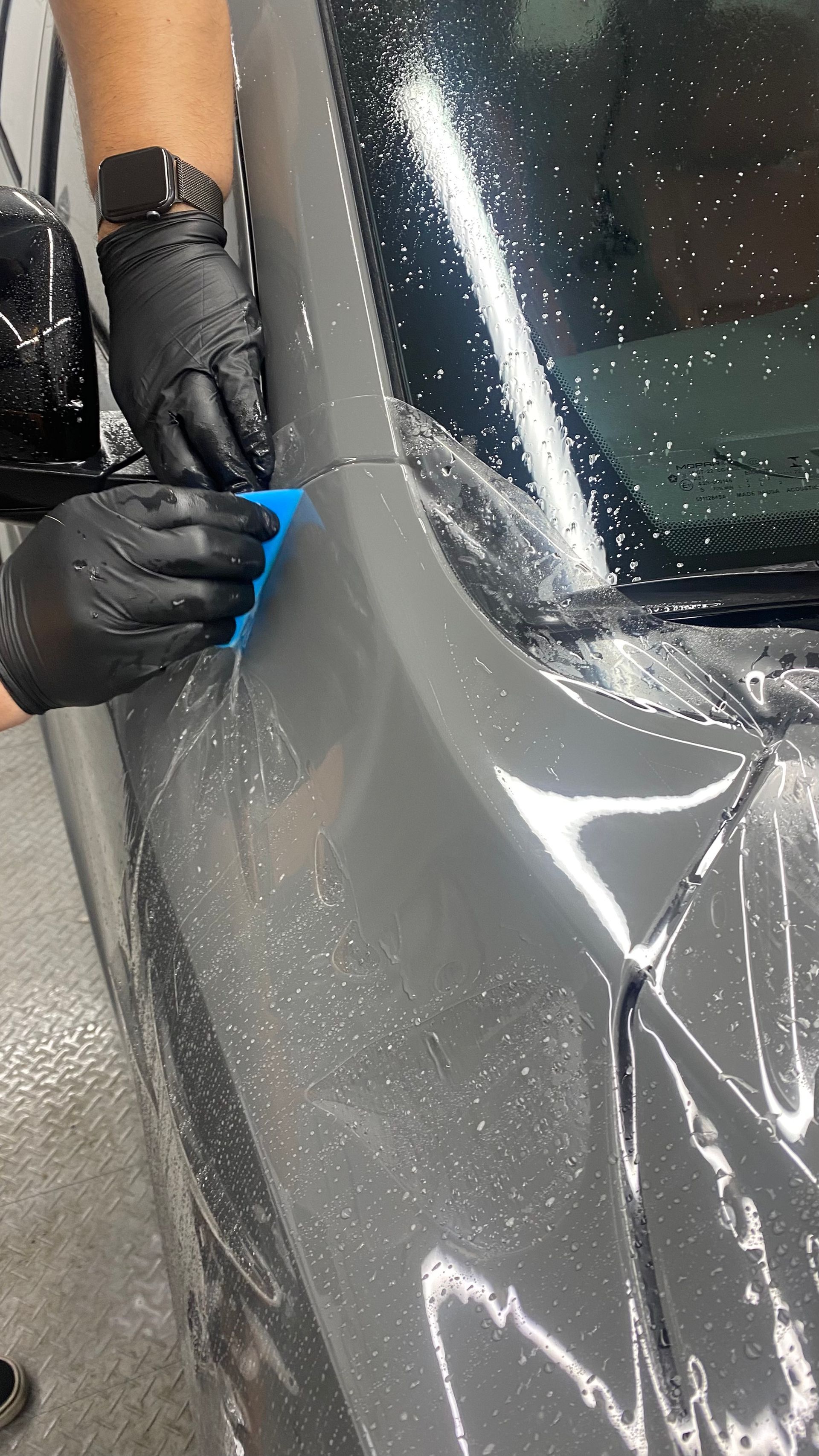
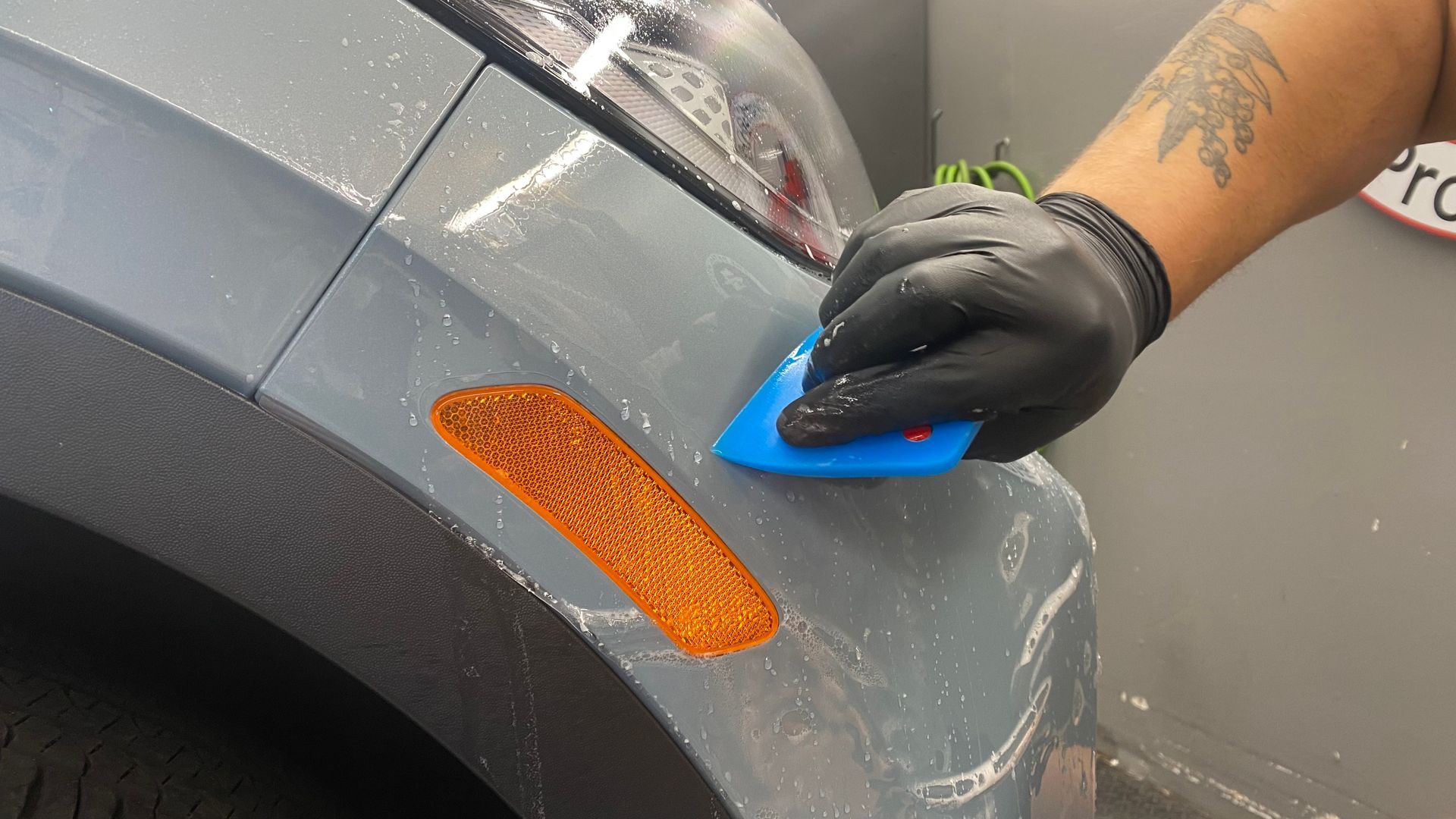
The Nature of PPF
Paint protection film is a clear, flexible polyurethane film applied to paint with a pressure-sensitive adhesive. It began as a military product before it was adapted for cars, and modern films add a self-healing top coat that lets light scratches fade with heat or warm water. Most clear films run about 6 to 8 mils thick. The STEK DYNOshield film we install is 8 mils, and STEK DYNOmight is 10 mils for vehicles that see harder use.
The adhesive is built to hold firmly through Portland's temperature swings and wet seasons, then release when warmed. Warm adhesive lets go of the paint. Cold adhesive grabs it. Factory paint is baked and cured under controlled conditions, giving it a strong bond to the panel. Aftermarket paint and touch-ups don't always get that same cure, so they carry more risk.
Benefits of Paint Protection Film
A quality film helps protect your paint from:
• Rock chips and road rash
• Light scratches and swirl marks
• Bug splatter, bird droppings, and other contaminants that can etch paint
• Oxidation and fading from UV exposure
PPF won't stop dents or collision damage, but it keeps the factory finish underneath in better shape, and clean, chip-free original paint makes a car easier to sell. The STEK films we install also carry STEK's 10-year warranty.
Even so, film eventually needs to come off, and that's when technique matters. Our PPF packages page and our guide to Clear Bra vs PPF explain coverage options.
Potential Risks of PPF Removal
The biggest risk is paint lifting with the film. On factory paint this is rare when the film is warmed properly, but repainted panels are different. Aftermarket paint may not have bonded as strongly as the original finish, so the adhesive can end up holding the paint more firmly than the paint holds the panel.
Some cars have repairs their owners don't know about, such as a refinished bumper or a panel touched up before delivery. A paint depth gauge can reveal these areas, since refinished paint usually reads thicker.
Film age matters too. Older film can turn brittle after years of sun, tear into small pieces, and leave more adhesive behind.
| Risk | Common Cause | How to Prevent It |
|---|---|---|
| Paint lifting | Repainted or touched-up panels | Check paint history; use heat and peel slowly |
| Torn film | Old, brittle film or too little heat | Warm each section fully; work in small sections |
| Adhesive residue | Film pulled cold or too fast | Reheat, peel at a low angle, use a paint-safe remover |
| Scratches | Metal blades or rough scraping | Use plastic blades and microfiber towels only |
| Dull clear coat | Harsh solvents or long contact time | Use isopropyl alcohol or automotive adhesive remover; wipe off promptly |
Adhesive Concerns and Paint Safety
The goal is to get the adhesive to release from the paint and stay with the film. Warm the film until it feels warm to the touch, not hot. With a heat gun, use a low setting, hold it several inches away, and keep it moving. Overheating can soften the clear coat and turn the adhesive gummy, and an infrared thermometer helps keep heat even on curved panels.
Peel angle matters as much as heat. Pull the film back over itself at a low angle, around 30 to 45 degrees, at a slow and steady pace. If you feel resistance, stop and warm the area again.
For residue, isopropyl alcohol or an automotive adhesive remover on a microfiber towel handles most of it. Avoid acetone, brake cleaner, lacquer thinner, and anything abrasive, since these can damage the clear coat.

DIY Removal Steps
DIY removal is reasonable for newer film on original factory paint. If a panel may have been repainted, have it looked at first.
Step 1: Prepare the Vehicle
Park in the shade and wash the car so grit doesn't scratch the paint. Gather microfiber towels, a heat gun or hair dryer, plastic razor blades, an automotive adhesive remover, and a pH-neutral car shampoo.
Step 2: Warm the Film
Work one section at a time with a heat gun on low or a hair dryer, keeping it moving. You can also lay a microfiber towel over the film, pour very hot water over it, and let the heat soak in for a few minutes.
Step 3: Peel Slowly at a Low Angle
Lift a corner with a fingernail or plastic blade, then pull the film back over itself slowly and steadily, re-warming as you go. If the film tears or adhesive stays on the paint, it needs more heat.
Step 4: Remove Adhesive Residue
Apply adhesive remover or isopropyl alcohol to a microfiber towel, let it work briefly, and wipe gently. Repeat rather than scrubbing hard.
Step 5: Wash and Inspect
Wash the car to remove leftover solvent and adhesive, then check the paint in good light for dull spots, residue, or lifted edges.
Professional Removal Methods
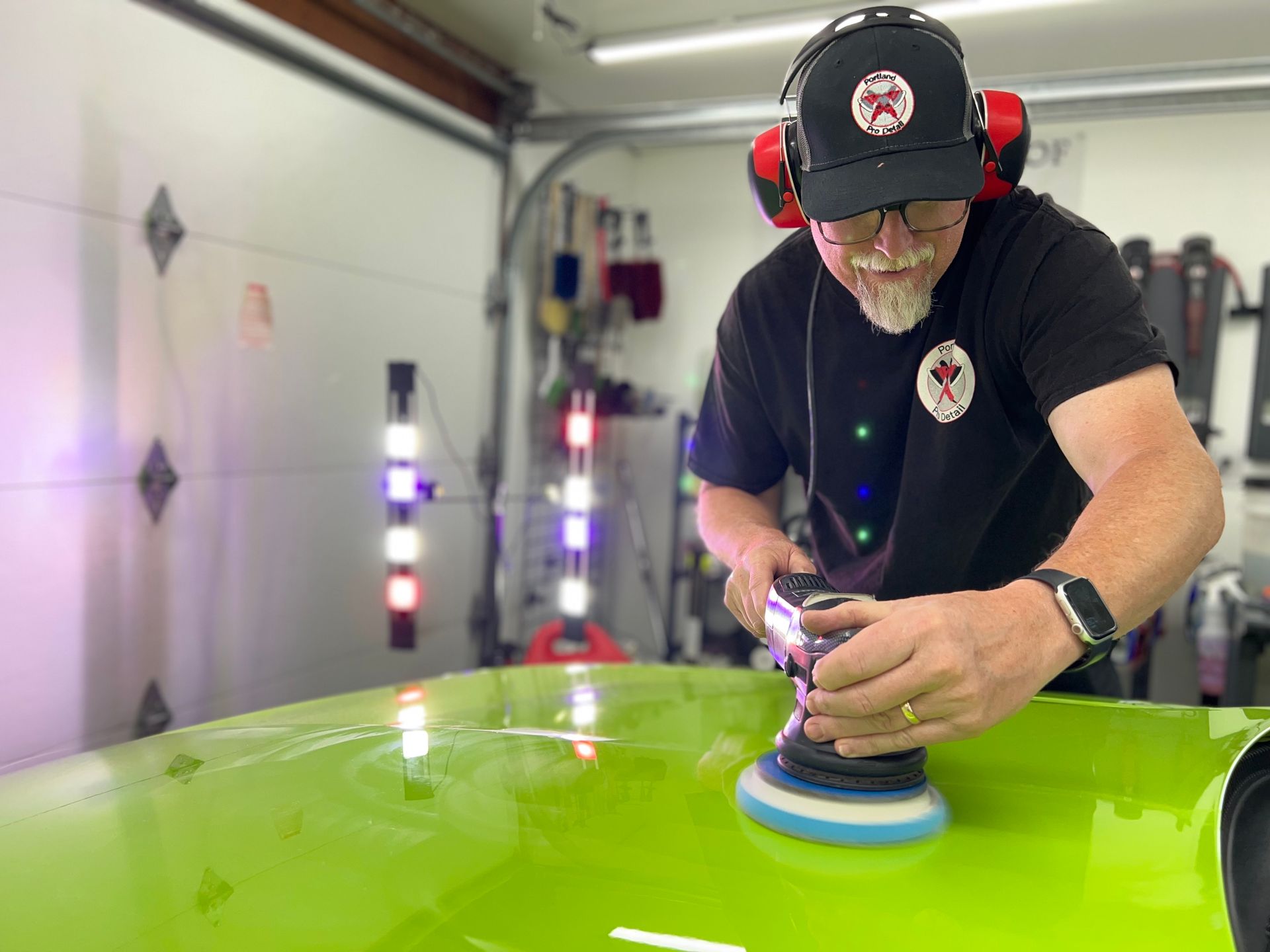
Professional removal follows the same principles with more control. A trained technician typically:
• Inspects the paint and takes paint depth readings to find repainted panels
• Uses steam or controlled heat to soften the adhesive panel by panel
• Peels at a measured pace, adjusting to how the film responds
• Removes residue with paint-safe automotive products
• Washes, decontaminates, and inspects the paint afterward
Before we install STEK film, every vehicle is thoroughly cleaned, decontaminated, and inspected so the surface is as clean and smooth as possible. If removal reveals swirls or uneven gloss, paint correction restores the finish first.
Cost Considerations
Removal cost depends on how much film is on the car, its age, how much residue it leaves, and whether paint correction or new film follows. A partial front end is a much smaller job than full-body film that's been on for years.
Weigh that against the alternative: paint that lifts during a rushed removal can mean refinishing a panel, which costs far more. The most accurate way to know your cost is an inspection and a quote for your vehicle.
Choosing the Right Approach for Your Vehicle
DIY film removal can work well for small areas of newer film on vehicles with original paint in good condition. However, professional removal is safer for old or brittle film, full-body coverage, repainted panels, or vehicles with an unknown paint history.
DIY removal requires tools such as a heat gun or hair dryer, plastic blades, and adhesive remover. It can also take considerable time and requires patience. Professional services use controlled heat or steam, paint depth gauges, and paint-safe solvents to reduce the risk of damage while completing the job more efficiently.
After DIY removal, you must inspect the paint yourself. Professional services typically include a post-removal inspection and recommendations for paint correction if needed.
Ultimately, your decision depends on your budget, skills, and available time. For many owners, professional removal is worth the cost for added convenience and peace of mind.
Frequently Asked Questions About PPF Removal
Should PPF removal be handled by a professional, or can it be done at home?
Newer film on original factory paint can often be removed at home with patience and gentle heat. For older film, large coverage areas, or possible repaint history, a professional is safer because paint can lift if the adhesive grips harder than the paint.
How does the age of PPF affect removal?
Older film tends to become brittle, tear into small pieces, and leave more adhesive behind. It can still come off safely, but it takes more heat control, time, and careful residue cleanup.
What signs indicate paint damage after removing PPF?
Look for dull or hazy patches, spots where paint or clear coat has lifted, fine scratches, or residue that won't wipe away. A faint line between covered and exposed paint is also common, and a light polish usually evens it out.
Are certain types or brands of PPF easier to remove?
Quality films with well-engineered adhesives generally release more cleanly than cheap, generic films, which are more likely to leave residue or break apart. We install STEK film, including DYNOshield, which uses UV-resistant adhesives built for long-term clarity.
What techniques ensure safe removal of PPF?
Warm the film evenly, peel slowly at about 30 to 45 degrees, re-warm any section that resists, and clean residue with a paint-safe remover. Avoid metal blades and harsh solvents.
Can I install new PPF or a ceramic coating after removing old film?
Yes. Once the paint is cleaned, decontaminated, inspected, and corrected if needed, it's ready for fresh PPF or a ceramic coating. Our guide on applying ceramic coating over PPF explains how the two work together.
How long does PPF last before it needs replacing?
It depends on film quality, sun exposure, and how the car is washed and maintained. The STEK films we install are backed by STEK's 10-year warranty, and regular exterior detailing helps the film last.
Not Sure If Your PPF Should Come Off? Talk to Portland Pro Detail
Whether your film is aging, damaged, or you just want an honest opinion, we're happy to take a look. Portland Pro Detail is a father-and-son shop founded in Portland in 2011 by Greg and Joe. We're IDA certified, members of the Air Force One Detailing Team, and trained STEK installers. We're not a production shop, so we take the time to explain what we see and keep you involved at every step.
We'll look at your film and paint, talk through your options, and give you a clear quote.
• Get a free quote: request your quote online and we'll reply by phone or email within one business day
• Call us: 503-444-7415
• Visit us: 4329 NE Killingsworth St, Unit A, Portland, OR 97218, Monday to Friday, 8:30 am to 5:00 pm
We serve drivers across Portland and nearby communities, including Vancouver, WA, Beaverton, Hillsboro, Lake Oswego, West Linn, and Happy Valley.
Portland Pro Detail Blog