Smart Care Tips for Auto PPF: A Complete Guide to Keep It Looking New
If you've invested in paint protection film (PPF) for your car, you probably want it to stay looking fresh and flawless for years. But keeping that invisible shield in top shape takes more than just a quick rinse now and then. In this guide, we walk you through smart care tips that go beyond the basics: simple steps that help your PPF resist the wear and tear of daily driving while keeping your car's paint shining underneath. Think of it as learning how to give your car the kind of gentle attention it deserves so you're not caught off guard when troubles like yellowing or scratches start to show up unexpectedly.
Essential Maintenance for Your PPF
The moment you get PPF on your vehicle, it starts a partnership with your car's paint, one that requires regular attention to ensure both stay flawless. Washing your car at least once a month using the two-bucket method is crucial. This technique, separating soapy water from rinse water, minimizes dirt particles being dragged back over the film, which can cause micro-scratches that slowly degrade the film's clarity. While monthly washes provide a solid baseline, washing every two weeks or weekly, if possible, really elevates protection by preventing dirt buildup before it settles into tiny crevices. You should see each wash as a chance to inspect your PPF closely. Use lukewarm water, about 30 to 40 degrees Celsius, to gently loosen grime without shocking the film. Applying a gentle, pH-neutral soap respects the delicate chemical structure of the film and avoids unwanted stripping or clouding. The process itself needs to be deliberate. Start rinsing with light pressure to brush away loose particles first, then move on to washing in small sections. By tackling one panel at a time, whether the hood or door, you control the interaction between mitt and surface, reducing overexposure of any single area to friction.
Always wash with straight strokes, vertical or horizontal, rather than circular motions to avoid swirl marks that mar the smoothness of your film. Invest in premium microfiber towels and wash mitts with high GSM ratings. These materials securely capture dirt rather than causing surface scratches, a straightforward decision that yields significant benefits over time by preserving your PPF's transparency and self-healing characteristics. Drying is often overlooked but equally important. Using soft microfiber drying towels with substantial thickness prevents water spots without applying strain to the film's surface. Combining this step with a ceramic wet wax adds an extra protective barrier while facilitating water sheeting off in future rains, a smart layer of defense you can't see but definitely feel.
Beyond washing and drying lies another cornerstone of maintenance: protection from environmental stressors. Exposure to constant sunlight is a silent enemy of PPF. Even though quality films are engineered to block ultraviolet rays, prolonged exposure can accelerate yellowing or cloudiness if not properly cared for. Parking under shade when possible reduces UV damage significantly and helps maintain that fresh, glossy look you're aiming for. Once every month or so, perform a close visual inspection for signs of lifting edges, bubbles, or subtle discoloration. Catching these issues early allows quick patch repairs or professional intervention before they worsen and require costly replacement. Professionals recommend scheduling comprehensive evaluations every 12 to 18 months, where specialists can deep-clean the film surface and apply rejuvenating treatments tailored for PPF. Finally, think about what products you apply on top of your PPF. Stick strictly with PPF-compatible waxes and sealants, usually polymer-based and silicone-free formulas, to avoid chemical reactions damaging the adhesive or film surface. Ceramic sprays are generally safe too and they boost hydrophobic properties, aiding dirt slide-off while preserving gloss.
Cleaning Methods for a Glossy Finish
Achieving that mirror-like, glossy finish on your paint protection film isn't just about looking good; it's about preserving the integrity and durability of the film itself. The key lies in gentle, precise cleaning techniques that respect the delicate nature of PPF. One fundamental principle is to avoid harsh chemicals or abrasive materials entirely, as these can quickly degrade the film, causing premature yellowing or micro-scratches that ruin the clarity of the surface. When washing your vehicle, adopt a deliberate, straight-line motion, whether vertical or horizontal, and never use circular scrubbing movements. This approach dramatically reduces swirl marks, which are tiny scratches that scatter light and give the surface a cloudy, dulled appearance. Swirls may seem minor at first but accumulate rapidly with improper technique, undermining the film's smooth gloss.
For washing solutions, pH-neutral car shampoos designed without strong solvents or abrasives are best. These maintain an optimal pH range between 6 and 8, balancing effective dirt removal without compromising the film's protective qualities. After washing and rinsing thoroughly with lukewarm water, ideally between 30°C to 40°C to avoid heat stress on the film, drying becomes crucial. Using a soft microfiber drying towel ensures maximum absorbency and prevents scratching. A rough or low-quality towel can leave behind fine scratches or lint that dulls the surface. To elevate the finish further, applying a quick detailer spray post-drying adds a fresh layer of gloss and helps repel water spots. These products are formulated to enhance reflectivity without breaking down the PPF or leaving residues that attract dirt.
When it comes to wheels and tires, separate tools and towels should be dedicated exclusively for their cleaning. Wheels typically gather baked-on brake dust and grime that carry abrasive contaminants. Using specialized products and tools ensures thorough cleaning without risking cross-contamination onto your pristine PPF-covered surfaces. Remember to keep high-pressure washers at a safe distance, at least 12 inches away, when rinsing to prevent potentially lifting edges of older or brittle films. Frequent close-range pressure washing may accelerate wear or cause damage over time.
Protection from Environmental Hazards
Your car's paint protection film stands vulnerable to everyday hazards that silently chip away at its clarity and durability. Elements like bird droppings and tree sap carry acids that can eat away at PPF's surface if left unattended. Bird droppings often contain uric acid, making them particularly corrosive; letting these sit on your film for more than a day or two invites staining and permanent damage. Tree sap is another stubborn villain. Rich in resins and natural acids, it bonds tightly to PPF and demands careful solvent-based removal. The longer sap stays, especially beyond 72 hours, the greater the chance of discoloration.
Not far behind are road salts, the winter nemesis that accelerates wear on PPF surfaces significantly. Salt particles act like sandpaper during washes or drives and can increase micro-abrasion rates. These abrasive effects might not be immediately visible but accumulate over time, dulling the gloss you paid for. Then there's relentless sun exposure. UV rays penetrate through layers of paint to degrade softer films underneath, leading to yellowing or brittle texture under continuous direct sunlight without proper protection. That's why applying a ceramic coating on top of your PPF isn't just an extra step; it's practically essential for serious maintenance.
Beyond adding a slick finish, quality ceramic coatings offer UV blocking, acting as a powerful filter against sun damage while also repelling dust, water spots, and even some acidic contaminants. However, maintaining protection requires constant vigilance. Removing harmful deposits promptly is crucial. Washing within 48 hours after exposure to environmental contaminants cuts the risk of permanent damage significantly. This practice translates into simple routines: always keep a microfiber towel ready for spot-cleaning bird droppings or sap as soon as you notice them, and prioritize frequent rinsing during winter months to wash away salt buildup before it settles. It also helps to park strategically when possible. Seeking shade to reduce UV exposure or avoiding parking beneath trees shedding sap can lengthen your film's pristine condition. For those facing difficult residues like baked-on tree sap, using specialized solvent-based cleaners designed for PPF ensures you remove these threats without harming the film itself.

Regular Coating and Layer Maintenance
Protecting your paint protection film is more than just keeping it clean; it's about preserving the very layers that shield your vehicle's paint from harm. The self-healing topcoat of PPF is remarkable, but it thrives when supported by regular upkeep through specialized coatings like ceramic sealants. These coatings act as an additional barrier against UV rays, environmental pollutants, and water spots, reinforcing the resilience of your film. Applying a ceramic coating every six to twelve months is a practical timeline for most drivers, especially those in harsh environments with intense sun or road salt exposure. Quality ceramic wet wax products are excellent options because they offer dual benefits: they protect and enhance the sleek gloss of your PPF. This adds depth to the finish without compromising the film's self-healing properties.
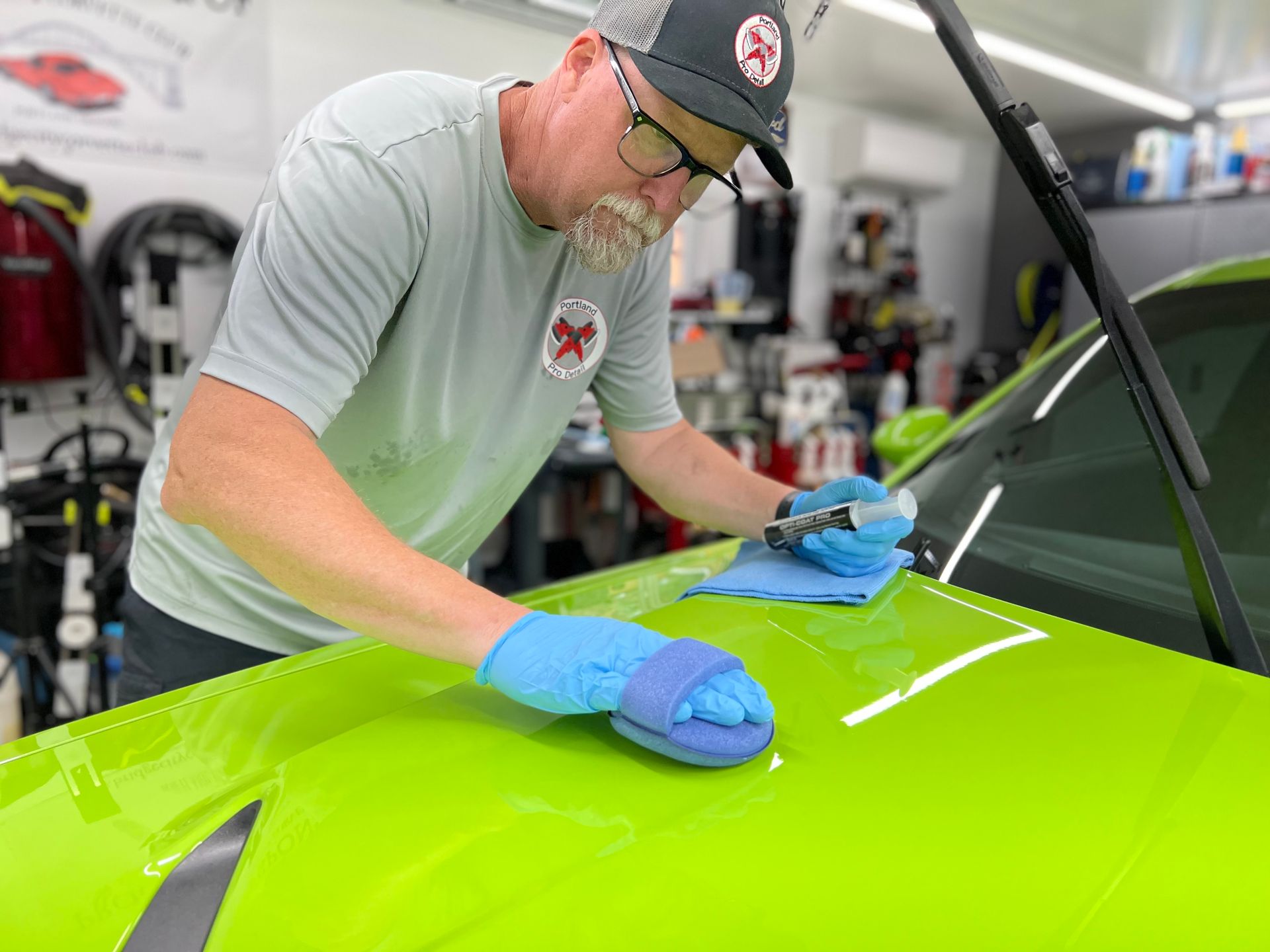
Before any application, patience is key. Your car must be genuinely spotless. Dirt or grime trapped beneath a coating can lead to imperfections and reduce its durability. A thorough wash using a pH-neutral shampoo, followed by drying with a plush microfiber towel, sets the stage for a flawless result. Rushing this process only invites streaks and unevenness that ruin the look you're aiming to achieve. When it's time to work the product in, use a clean microfiber cloth to apply the ceramic coating evenly across each panel. Small circular motions help distribute the liquid smoothly, allowing it to bond properly with the PPF surface. After letting it sit for a few minutes, you then buff away excess residue with a fresh, dry cloth. This final step creates that coveted streak-free finish that makes your vehicle pop under sunlight.
These maintenance steps not only enhance the beauty of your vehicle but also effectively prevent edge lifting or adhesive breakdown at crucial PPF seams, a subtle issue that can escalate into peeling if ignored. Scheduling professional inspections every 12 to 18 months complements your home care routine by catching potential vulnerabilities early before moisture seeps in and causes damage. Keeping your PPF looking fresh and glossy is less about miracle products and more about consistent, thoughtful care. Establishing a weekly rinsing routine using only pH-neutral automotive shampoos paired with soft microfiber mitts gently removes surface dirt, road grime, and especially stubborn contaminants like pollen or tree sap before they bond tightly with the film. Avoiding harsh soaps or automated brush washes protects the delicate self-healing topcoat from premature wear and keeps that flawless shine intact. Consistent care combined with smart protection choices ensures your paint protection film remains as vibrant as the day it was installed, turning regular maintenance into long-term savings and vehicle beauty.
Long-Lasting PPF in Oregon City
Portland Pro Detail delivers
top PPF services in Oregon City, OR for drivers who want reliable, long-term paint protection without compromising appearance. Our team carefully prepares each surface and installs precision-cut film to ensure seamless coverage across high-impact areas. With expert application and guidance on proper maintenance, your vehicle stays protected against daily road exposure while maintaining a clean, glossy finish. Contact Portland Pro Detail today to
schedule your professional PPF installation!
Portland Pro Detail Blog