Which Ceramic Coating Package Is Right for Your Car?
The right ceramic coating package depends on three things: the current condition of your paint, how and where you drive, and how long you plan to keep the vehicle. A newer car with clean paint may only need a light polish and a mid-tier coating, while a daily driver covered in swirl marks needs paint correction first and gets the most value from a longer-lasting, multi-layer package. If you also want protection from rock chips, pair the coating with paint protection film (PPF), because a ceramic coating on its own will not stop impact damage.
At Portland Pro Detail, our father and son team has been helping Portland drivers sort through these choices since 2011. Here is the framework we use with our own customers.
Start With Your Paint's Condition
One of the most common situations we see is a two- or three-year-old daily driver that has been through automatic car washes since it left the dealership. Under direct light, the hood and doors show a web of fine swirl marks. That condition changes which package makes sense, because a ceramic coating bonds to whatever surface is underneath it. It will not fill in or hide swirls that are already cut into the clear coat. It locks them in.
That is why your paint's current condition is the single biggest factor in choosing a package, and why any reputable installer should inspect your paint before quoting one. Correct the paint first, then apply the coating.
Single-Stage vs. Multi-Stage Paint Correction
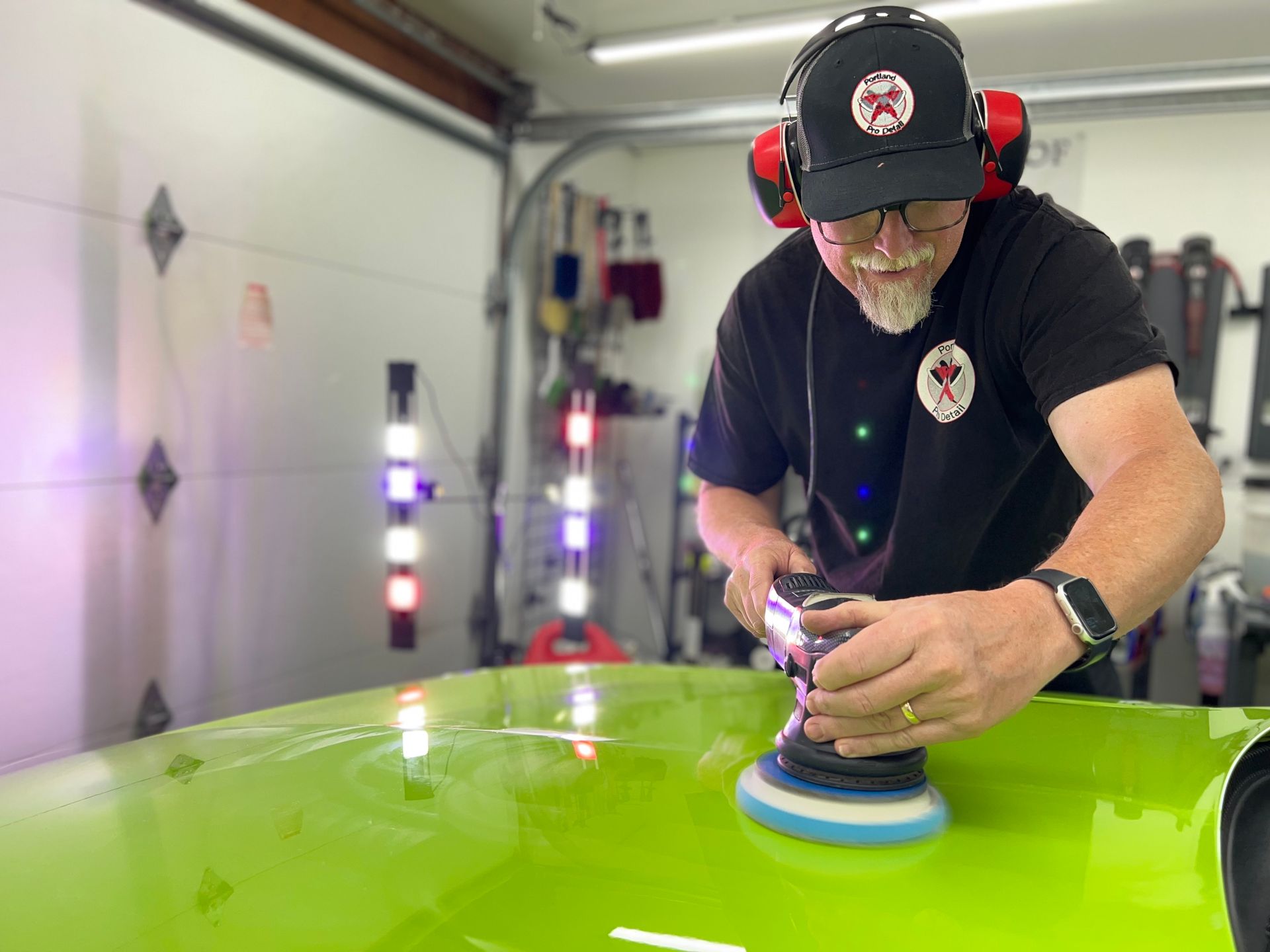
A newer vehicle with minimal defects often only needs a single-stage paint correction, which removes light swirls and minor imperfections while bringing up the gloss. A car that has seen a few Pacific Northwest winters, road grime, gravel, and careless washes will usually need a two-stage or multi-stage correction, where a heavier cutting step is followed by a refining polish to remove deeper defects and restore clarity.
Matching the correction level to the paint also protects your budget. A garage-kept weekend car with light marring does not need the same prep work as a commuter with heavy swirling, and paying for multi-stage correction you do not need is money that could go toward a stronger, longer-lasting coating instead.
Compare Coating Tiers and Coverage
Once you know what your paint needs underneath, the next question is what goes on top. A ceramic coating is a liquid polymer built primarily from silicon dioxide (SiO2). It bonds semi-permanently to your clear coat and forms a hard, hydrophobic layer that repels water and makes contaminants like tree sap, bird droppings, pollen, and road film much easier to remove.
Professional-grade coatings carry a higher concentration of active ingredients than consumer sprays, which are easier to apply at home but do not bond as strongly or last as long. Within professional lines, most coating manufacturers offer tiered packages. The difference between tiers usually comes down to the number of layers applied, the formula used, and the length of the warranty.
| Package Tier | Typical Warranty Range | Best Suited For |
|---|---|---|
| Entry | About 1 to 2 years | Leased vehicles, short-term ownership |
| Mid | About 3 to 5 years | Daily drivers in mixed weather |
| Premium | 7+ years to lifetime | Long-term ownership, high-value vehicles, harsh conditions |
Warranty length depends on the brand and on following the required maintenance, so always read the actual terms rather than relying on the package name.
Paint Only or Full Vehicle Coverage?
Coverage varies from package to package. Some coat only the painted body panels. Others extend to wheels, brake calipers, glass, and exterior trim, which matters in the Portland area, where brake dust and rain spotting are constant. Coated wheels release brake dust with a simple rinse instead of aggressive weekend scrubbing, and coated glass sheds rain more easily on wet commutes. If you have kids, pets, or light-colored upholstery, ask about interior ceramic coating as well, which helps fabric and leather resist stains and spills.
Ceramic Coating vs. Paint Protection Film
We want to be direct about this: car ceramic coating does not stop rock chips. It resists chemical etching, UV fading, and light contamination, but a pebble kicked up at highway speed on I-5 or I-84 will still chip through it. For impact protection, paint protection film (PPF) is the correct solution. Many of our customers pair a STEK PPF front-end package with a ceramic coating over the rest of the vehicle, and the coating can go over the film too. That combination gives you physical protection where chips happen and chemical resistance everywhere else. It is a popular choice among our Tesla owners, who often want both kinds of protection on a new vehicle.
Factor in Prep Time, Price, and Finish
Preparation often takes more time than the coating itself. A professional installation includes washing, chemical and mechanical decontamination, machine polishing through one or more correction stages, panel wipe-down, and finally the coating, applied in an environment where dust and humidity will not compromise the bond. The full process typically takes one to two days, sometimes longer when multi-stage correction is involved.
Pricing varies widely based on vehicle size, paint condition, correction level, the coating tier, and how many surfaces are coated. When you compare quotes, the lowest number is not always the better deal. Ask exactly what preparation is included. Does the price cover a single-stage polish, or will deeper defects require a two-stage correction at additional cost? Is glass or wheel coating included, or is it an add-on? We walk our customers through each step so they understand what they are paying for before any work begins.
Application skill matters too, since high spots missed during install may need to be polished off and the panel redone. The finished result should show even gloss across every panel with no swirls, haze, or streaks, and that result starts long before the first drop of coating touches the paint.
Read the Warranty and Maintenance Terms
Every ceramic coating warranty comes with conditions. Most programs, whether they cover two years or a lifetime, expect you to hand wash the vehicle regularly (every two to four weeks is a common guideline) using a pH-neutral soap and clean microfiber towels. Bird droppings and tree sap should come off promptly. Many longer warranties also require a periodic professional inspection or maintenance visit.
Skipping those visits, using brush-style automatic washes, or applying an unapproved wax or sealant can void coverage. Repainting or modifying a coated panel can do the same. Warranties generally cover failures of the coating itself, such as delamination or a significant loss of hydrophobic performance, and they generally exclude rock chips, dents, key scratches, pre-existing paint damage, harsh chemical exposure, and normal gradual wear.
Before you commit, ask a few pointed questions. Who honors the warranty if the installing shop closes? Does coverage transfer if you sell the car? What documentation does a claim require, and does a repair include labor or only product? We also recommend keeping a simple maintenance log, even a note on your phone with dates and what was done, so you have records if you ever need them.

Match the Package to Portland Driving Conditions
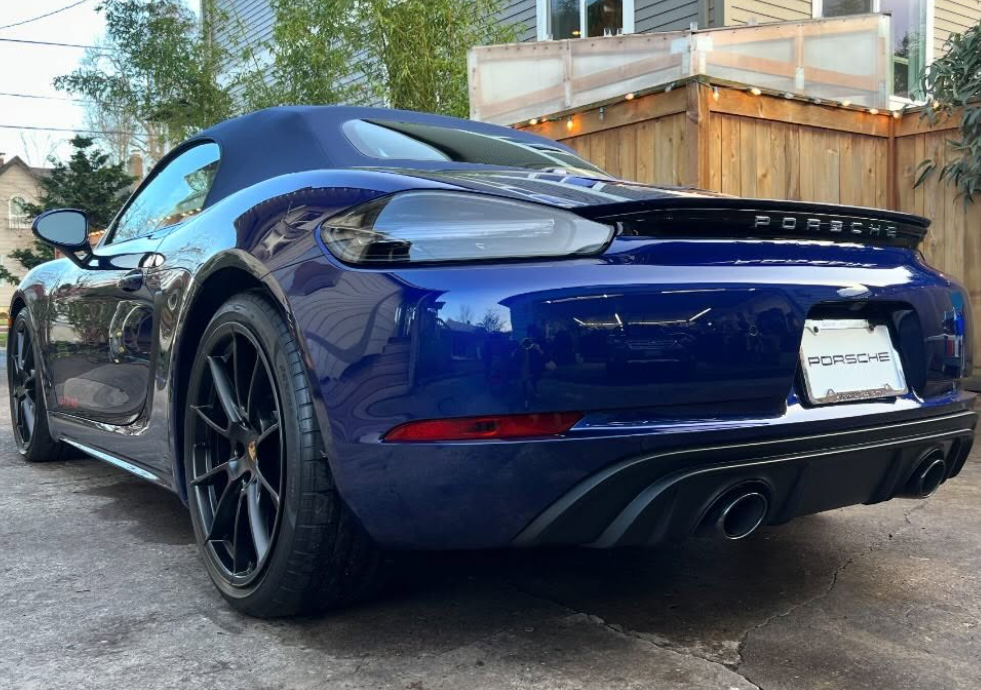
The best ceramic coating package is the one that fits how you actually use your car. A weekend Porsche that sleeps in a garage and sees a few thousand miles a year does not need the same protection as a commuter sedan parked under fir trees in Beaverton or a work truck running between Hillsboro and Gresham five days a week.
Think about where the car is parked, how often it sees highway miles, and how long you plan to keep it. If you are keeping the vehicle for many years and want to protect resale value, a premium multi-layer coating, often combined with PPF on the front end, usually pays off. If the car is leased or you trade vehicles every couple of years, a lighter package may be all you need.
Get an Honest Paint Assessment From Greg and Joe
You should not have to guess which package to buy. Portland Pro Detail is a family-run shop, not a production line, and when you bring your car to our location at 4329 NE Killingsworth St in Portland, you talk directly with Greg and Joe. As an IDA-certified shop and members of the Air Force One Detailing Team, we inspect your paint, explain what it actually needs, and recommend the coating and correction level that fits your car, your driving, and your budget, even if that means a smaller package than you expected.
We serve drivers throughout the Portland metro, including Gresham, Beaverton, Hillsboro, Tigard, Lake Oswego, West Linn, and Vancouver, WA. Call us at 503-444-7415 or request free consultation to schedule a paint inspection and get a clear recommendation before you commit to anything.
Frequently Asked Questions
How long does a professional ceramic coating last?
A professional ceramic coating typically lasts anywhere from about two years to well beyond five years, depending on the product tier, the number of layers, and how well the car is maintained.
Do I need paint correction before ceramic coating?
In most cases, yes. A coating locks in the surface underneath it, so any swirls, scratches, or haze present at install will stay visible for the life of the coating. Even new cars often benefit from a single-stage polish.
Does ceramic coating prevent rock chips and scratches?
No. A ceramic coating adds resistance to light marring, chemical etching, and UV fading, but it will not stop rock chips or deep scratches. Paint protection film is the right choice for impact protection, and many owners combine PPF on high-impact areas with a ceramic coating over the rest of the car.
How soon can I wash my car after a ceramic coating?
Most coatings need time to fully cure, so installers generally recommend avoiding washing for about a week after application and keeping the car dry where possible during the first day or two. Your installer should give you specific aftercare instructions for the product used.
Is ceramic coating worth it in Portland's climate?
For many Portland drivers, yes. Months of rain, road film, pollen, and tree sap make a hydrophobic coating especially useful, since water and grime release more easily and the car stays cleaner between washes.
Can ceramic coating be applied over paint protection film?
Yes. Coating over PPF is a common combination. The film absorbs impacts while the coating adds gloss, hydrophobic performance, and easier cleaning across the entire vehicle.
Portland Pro Detail Blog