PPF Performance in Extreme Heat, Cold, and Humidity: Complete Guide to Protection and Durability.
When it comes to protecting your car's paint, paint protection film (PPF) is often the go-to solution. But how well does it hold up when faced with tough weather like intense heat, freezing cold, or heavy humidity? Many people wonder if PPF can really keep working and looking good through all these challenges. This guide breaks down exactly how PPF performs in extreme conditions, so you'll know what to expect and how to choose the right protection for your vehicle no matter where you live. Paint protection film maintains its protective qualities in extreme heat, cold, and humidity when high-quality materials and professional installation are used. While intense heat can weaken adhesive and cause bubbling, extreme cold may reduce flexibility, leading to brittleness, and high humidity risks moisture intrusion; proper maintenance and climate-specific PPF products ensure durability and optimal performance year-round.
Performance of PPF in Extreme Heat
Summer temperatures continue to set new records, pushing vehicles and their protective coatings to the edge. When your car is baking under a blazing sun, surface temperatures can soar well beyond 180°F on dark paint. That's hot enough to accelerate fading, clear coat degradation, and even cracking. Paint protection film acts like an invisible shield during these tough conditions. Unlike bare paint that directly absorbs and suffers from ultraviolet (UV) radiation and heat cycles, high-quality PPF films buffer these factors, preserving both the paint's color and integrity.
At the heart of this protection lies remarkable technology: advanced adhesive layers engineered to withstand not just the heat but also the expansion and contraction that comes with rapid temperature swings. These thermal stresses often cause microscopic cracks in unprotected paint, allowing moisture to seep in and trigger oxidation or peeling. But with well-formulated adhesives that remain stable even above 100°F, the film holds firmly in place, resisting edge lifting and bubbling, which commonly plague lower-grade options. This performance isn't incidental; it's carefully designed through rigorous testing. Manufacturers rate their films with exceptional UV blocking capability, effectively shutting out nearly all harmful solar radiation that would otherwise degrade your paint over time. This is especially critical because UV rays break down chemical bonds within your clear coat, fading colors and turning glossy surfaces chalky. As a bonus, PPF also lowers surface temperature by up to 30 degrees Fahrenheit compared to unshielded areas, alleviating the paint-baking effect.
Beyond just surviving the heat, many modern PPFs incorporate self-healing properties activated by ambient warmth. Light scratches or swirl marks caused by everyday debris fade away as the film gently reforms its surface under natural heat exposure. This feature keeps your car looking fresh even after a summer full of adventures. For optimal results, professional installation ahead of summer is key. Proper application in controlled environments ensures perfect adhesion before the extreme temperatures begin their assault. Attempting installation mid-summer without experience risks trapping air pockets or moisture that can magnify damage instead of preventing it. While parking under shade or indoors helps reduce direct exposure, typical asphalt parking lots become ovens themselves, sometimes reaching over 150°F. In these conditions where unprotected paint quickly degrades, PPF's ability to reflect UV rays and dissipate heat makes a notable difference.
Durability of PPF in Cold Climates
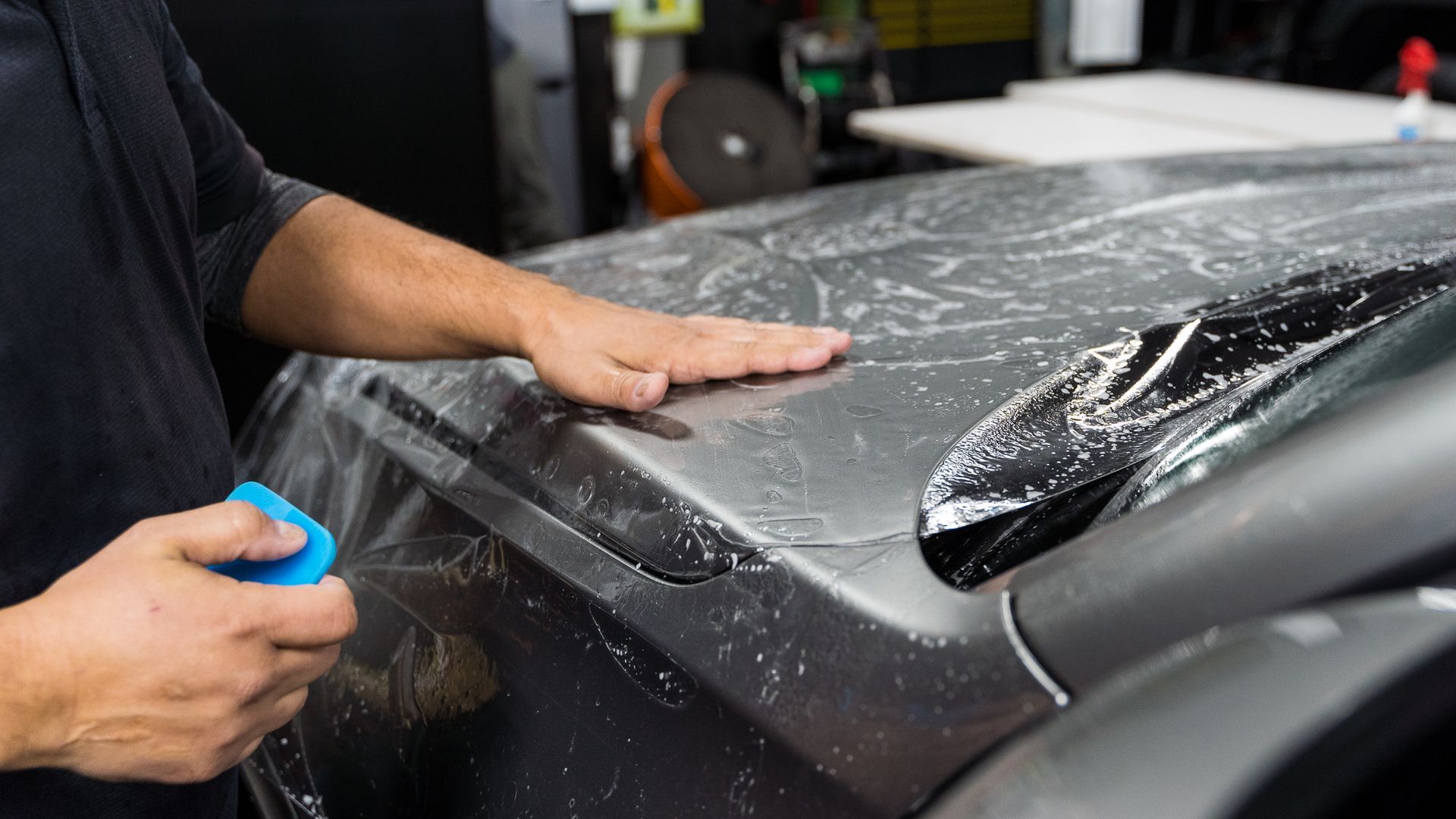
Cold weather presents a unique challenge for paint protection film. It's not just about freezing temperatures but the repeated stress that comes from daily temperature swings. PPF can become less flexible in cold conditions, causing the film to stiffen and making it more vulnerable to cracks or damage in those brittle moments. This is especially common in regions where the temperature dips below 32°F regularly, and the cycle of freezing and thawing hits the film repeatedly. What really puts PPF to the test are these freeze-thaw cycles. When water sneaks beneath the edges or small lifts in the film and freezes overnight, it expands, putting pressure against the adhesive bonds. Over time, this can cause lifting or curling along those vulnerable edges. This phenomenon isn't apparent until you've gone through weeks or months of harsh winters.
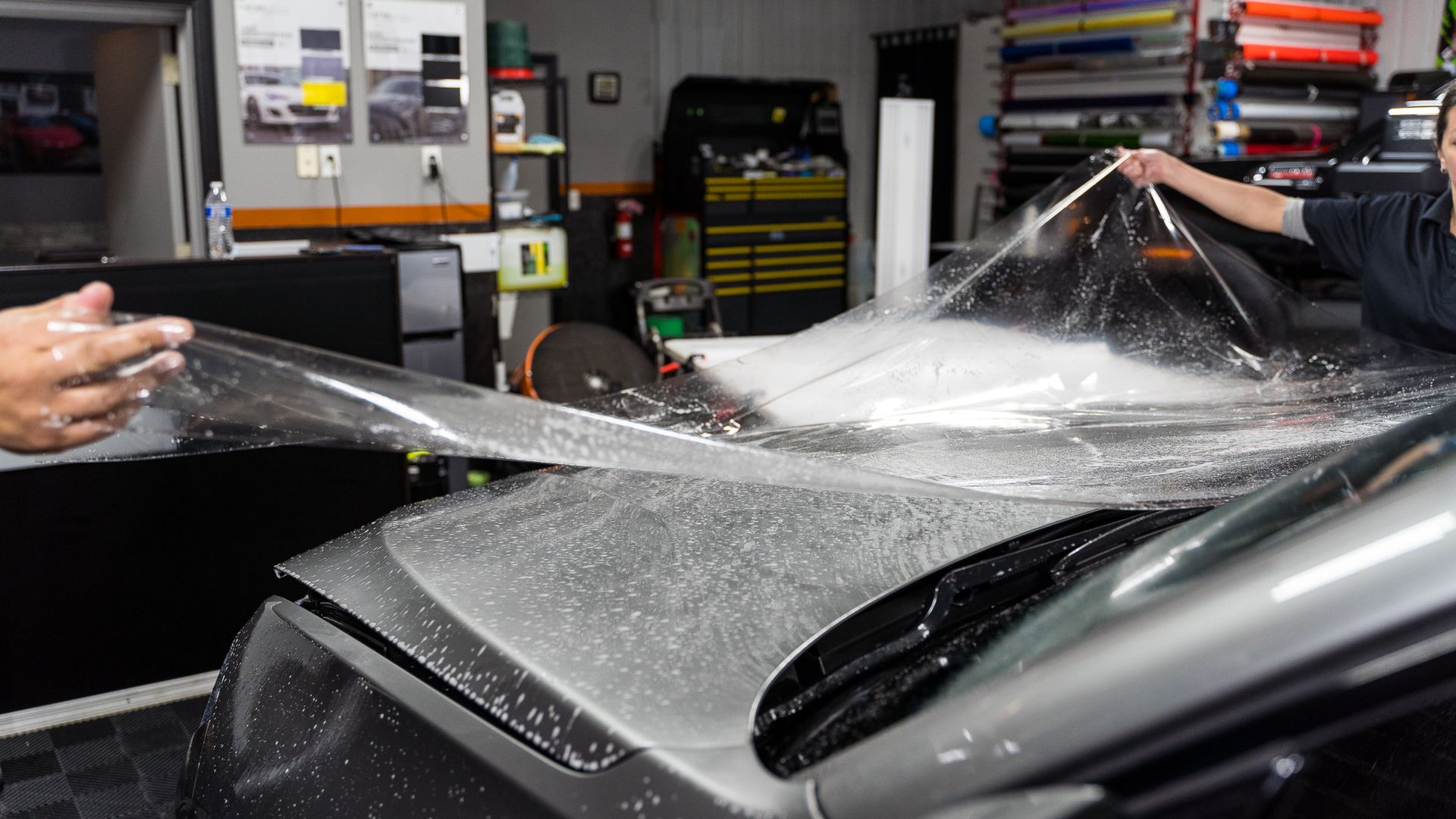
However, not all PPFs perform equally under cold conditions. Modern films have been formulated specifically to tackle lower temperatures by maintaining elasticity even in freezing environments. This flexibility allows them to flex naturally with expansion and contraction without breaking or losing adhesion. The secret lies in advanced polyurethane blends combined with durable acrylic adhesives designed to grip firmly yet adapt their shape as temperatures swing from below freezing to milder days. Cold weather resilience depends heavily on both material science and installation quality. Proper installation ensures no trapped moisture or air pockets at edges, which seals out ice formation. This critical factor is often overlooked. The elasticity of PPF is vital here. Because vehicle surfaces contract slightly in cold weather due to thermal shrinkage of metals and paints, a rigid film would crack under strain. A high-quality PPF's ability to stretch and rebound helps it mirror these subtle changes gracefully year-round.
But this only works if the film hasn't been neglected. Routine inspections during winter months allow early detection of any edge lift or surface brittleness before major repairs become necessary. For vehicle owners living in cold climates, choosing a PPF with tested cold-weather performance is essential. Additionally, scheduling professional maintenance focused on winter preparedness can lengthen your film's lifespan considerably. This includes ensuring no snow or ice buildup is left sitting on your car for prolonged periods and avoiding rapid temperature shocks. For example, don't blast hot water directly onto an icy windshield with film nearby, as sudden heating can exacerbate brittleness. While PPF isn't impervious to cold weather stresses, taking smart steps rooted in understanding its behavior will help keep your vehicle protected through every frost and freeze. Like any advanced material engineered for durability, protection extends beyond purchase. It requires thoughtful care tailored to your environment. A resilient film paired with mindful maintenance creates an invisible shield that truly stands up to winter's bite.
Impact of High Humidity on PPF
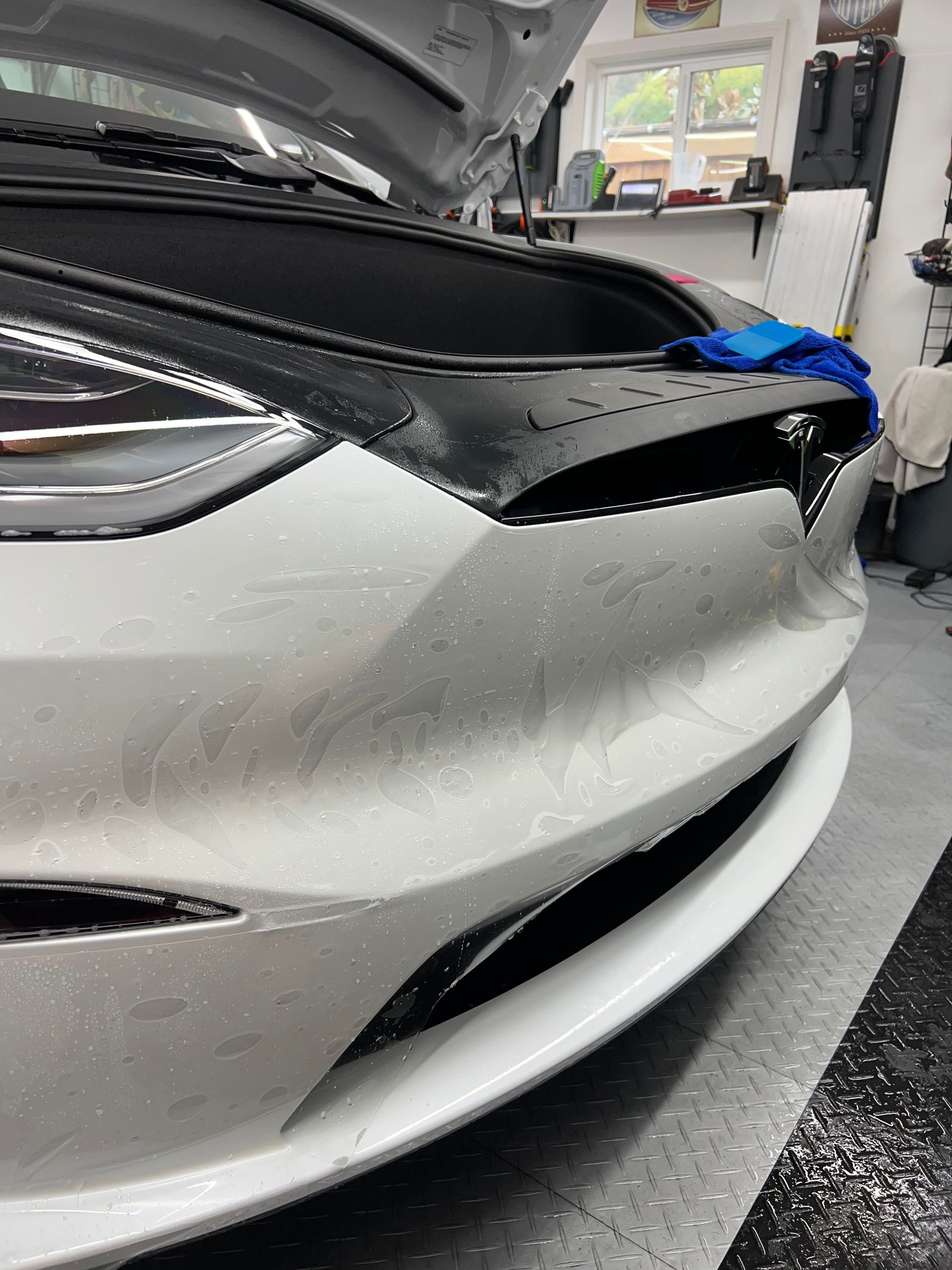
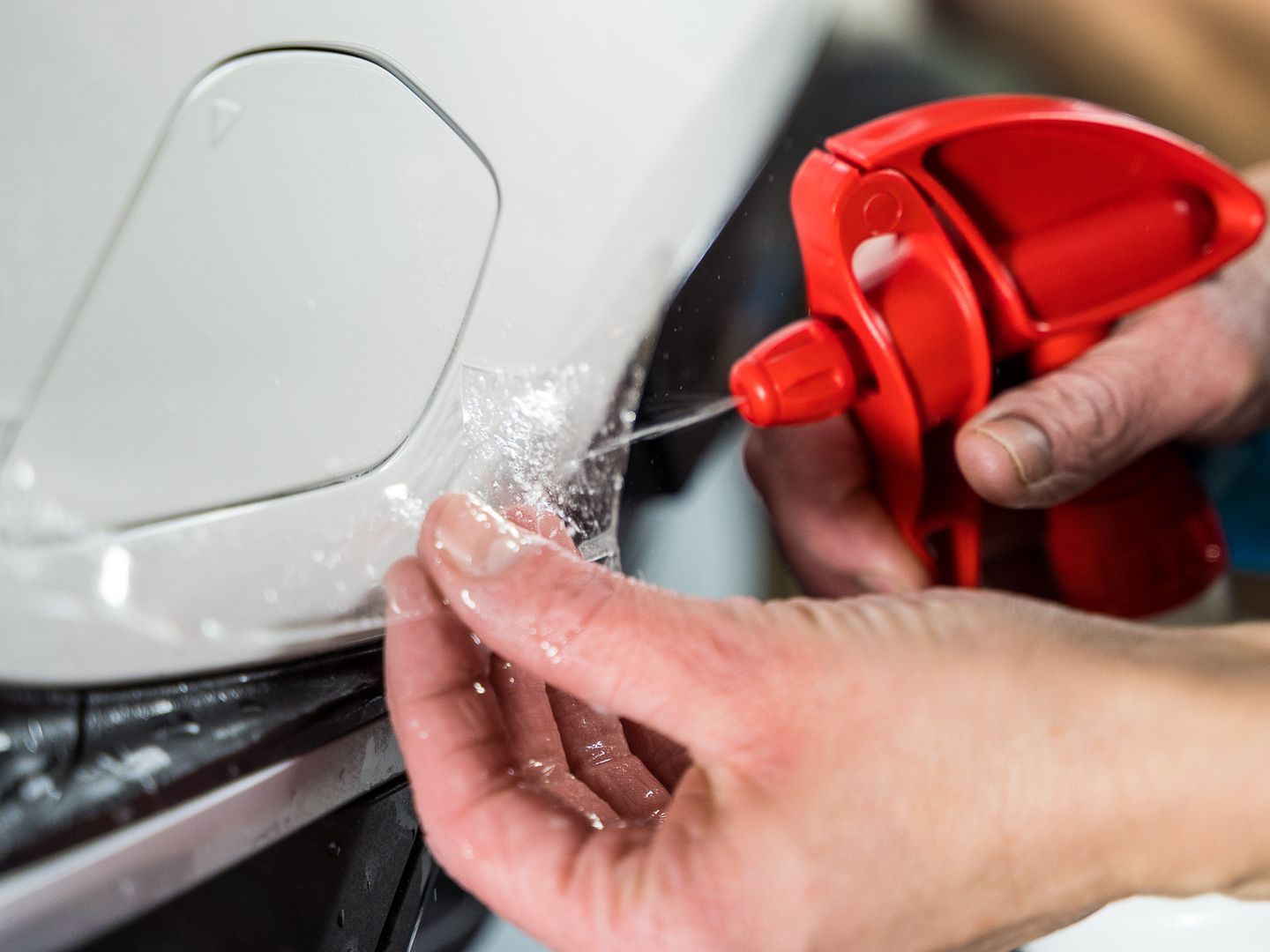
High humidity is a subtle yet powerful adversary when it comes to paint protection film performance. In regions where moisture saturates the air, such as tropical and subtropical areas, unseen water vapor can sneak beneath the film during installation or even after, causing unsightly bubbles and a cloudy haze that undermines the pristine look you expect from your vehicle's paint job. Such contamination isn't just an aesthetic nuisance; trapped moisture interrupts the adhesive bond crucial for PPF's longevity and effectiveness. The structure of PPF is layered carefully: a hydrophobic, UV-resistant topcoat shields against environmental damage, but beneath this topcoat lies an adhesive layer whose integrity is critical. High ambient humidity complicates this delicate balance by slowing down the curing process of the adhesive. When installers work in moist conditions without proper drying control, curing is delayed, leading to temporary cloudiness or bubbles that can appear to be defects but often dissipate over time if handled correctly.
It's important not to assume all moisture-related issues are permanent or indicate poor material quality. Premium films incorporate advanced adhesives that manage moisture displacement more effectively than traditional films. Still, success depends heavily on installer skill and environment control. A professional installer experienced with humid climates will ensure a dry substrate before application and deploy techniques to prevent water entrapment, such as working indoors with climate control and carefully smoothing edges. Moisture trapped beneath PPF doesn't only cause short-term visual issues. It can degrade adhesion over months or years, leading to peeling at vulnerable edges and curves where stress concentrates. In extreme humidity zones, substandard installations risk fostering problems between film and paint.
Because of these risks, it's vital that vehicle owners select both premium materials and expert installers adept at dealing with moisture challenges. High-quality films designed for durability in humid environments have been extensively tested by manufacturers and have demonstrated resilience when applied professionally. To safeguard your investment in PPF under humid conditions, insist on installers who follow best practices: allowing substrates ample drying time before application, maintaining strictly controlled workshop environments, applying premium-grade adhesives proven to handle moisture, and advising you to avoid washing or exposing your vehicle to rain for 48 hours post-installation. While high humidity introduces unique challenges to the application and durability of paint protection film, those challenges are surmountable with knowledge, quality products, and skilled workmanship. Understanding how moisture affects each layer of your PPF system, especially the adhesive layer, helps ensure a flawless finish that lasts years without yellowing or peeling despite demanding climates. Understanding how different PPFs perform under extreme heat, cold, and humidity empowers vehicle owners to protect their investments effectively. Matching the right film to your environment ensures lasting durability and sustained aesthetic appeal in any climate.
Leading Paint Protection Film Service
Shield your car from road debris, harsh weather, and everyday wear with premium paint protection film services from Portland Pro Detail, Portland, OR’s trusted automotive care provider. Their high-quality PPF offers long-lasting defense against chips, stains, and fading while keeping your vehicle’s finish looking clean and sharp year-round. Whether you drive a daily commuter or a prized weekend ride, their expert installation ensures a seamless, durable layer of protection tailored to your vehicle’s needs.
Schedule your paint protection film service with Portland Pro Detail today!
Portland Pro Detail Blog