Controlled Environments for Professional Ceramic Coating: Ensuring Quality and Precision
Applying ceramic coating might seem as simple as wiping on a shiny layer, but anyone who's tried it knows it's more like baking a delicate cake: you need just the right conditions for it to set perfectly. Without controlling things like temperature, humidity, and dust, the finish can turn out blotchy, weak, or dull. That's why professionals rely on carefully controlled environments to make sure every car leaves with a flawless, long-lasting gloss. Controlled environments are essential for professional ceramic coating, as they provide consistent temperature, humidity, and dust-free conditions that ensure optimal curing and adhesion of the coating. These conditions enable precise application, enhanced durability, superior gloss, and chemical resistance: results difficult to achieve in uncontrolled settings like typical home garages.
Why Environmental Control Matters
When applying professional ceramic coatings, controlling factors like temperature, humidity, and airborne particles is crucial. Ceramic coatings require a stable environment to cure properly and bond seamlessly to the vehicle's surface. Temperature control typically means keeping the workspace within an ideal range of about 15°C to 25°C (59°F to 77°F). Too cold, and the coating may not cure fully; too hot, and it can dry unevenly or develop defects. Equally important is maintaining relative humidity between 40% and 60%. Excess moisture in the air can interfere with the coating's chemistry, resulting in reduced gloss or weaker protection. On the flip side, overly dry conditions might cause premature drying that leads to uneven layers.
Beyond these atmospheric conditions, the presence of dust and microscopic contaminants can make or break a job. In uncontrolled spaces like typical garages or open-air settings, dust particles can settle on freshly coated surfaces, causing imperfections that mar the finish. This issue is addressed by using advanced filtration systems that cleanse incoming air, reducing particulate matter significantly. Coupled with carefully managed airflow, these measures prevent dust from settling without disturbing the curing process. The benefits are clear: professional detailers working within these controlled environments experience far fewer coating defects compared with those applying coatings outdoors or in typical workshops.
Curing times also accelerate in controlled environments, allowing coatings to reach full hardness faster. Improved curing directly translates into stronger chemical resistance and longer-lasting protection against environmental damage like acid rain, UV radiation, and road salts. It also enhances hydrophobic performance, enabling easier cleaning and preserving that showroom shine for years rather than months. For enthusiasts considering DIY ceramic coatings at home, understanding these factors helps set realistic expectations. While consumer-grade products offer convenience and can provide decent water beading, they rarely match the durability or flawless finish achieved through professional application under strict environmental controls and thorough surface preparation.
Temperature and Humidity
Temperature plays a pivotal role in determining how well a ceramic coating cures on a vehicle's surface. The coating process is a delicate chemical dance in which molecules need the right conditions to connect and make a strong, shiny shield. If the ambient temperature dips too low, curing slows dramatically. This delay leaves the coating vulnerable; dust and contaminants can settle onto it, or the layer may not bond fully with the paint beneath, causing premature degradation. When temperatures climb too high, the coating starts to harden too fast. This rapid curing traps tiny air pockets or causes uneven layering, resulting in imperfections like hazing or patchy spots that mar the finish. Maintaining that optimal temperature range ensures a smooth, consistent cure and maximizes the protective qualities of the ceramic layer.
Humidity is just as critical. Ceramic coatings are sensitive to moisture levels because water vapor can interfere with how the coating's ingredients chemically set. When relative humidity climbs over 60%, moisture can become trapped beneath the coating's surface, leading to bubbles or white spots that weaken protection and dull gloss. Conversely, when humidity drops below 40%, the solvent components in the coating evaporate excessively fast, making it tough for applicators to work evenly. This rushed drying might leave streaks or thin patches vulnerable to environmental damage. Controlling humidity around 40–60% allows technicians enough working time to apply ultra-thin, flawless coats without risking defects caused by either extreme moisture abundance or scarcity. These two factors work hand-in-hand during application and curing phases. Without stabilization within these parameters, even high-quality ceramic coatings might underperform. Achieving this level of control often requires dedicated climate management tools like HVAC systems calibrated to maintain setpoints or portable dehumidifiers paired with heaters in smaller detailing bays. Constant monitoring also helps immediately alert technicians if conditions drift outside safe limits so adjustments can be made swiftly.
Air Filtration and Dust Control
When working with professional ceramic coatings, maintaining immaculate air quality isn't just a preference: it's a necessity. Airborne dust particles, no matter how tiny, can settle on freshly coated surfaces, causing imperfections that ruin the finish. High-efficiency particulate air filters are designed to capture particles down to microscopic sizes, effectively eliminating contaminants that most standard HVAC systems miss. This level of filtration helps keep the environment sterile enough to achieve those flawless ceramic finishes that professionals demand. However, having advanced filters alone isn't enough. Proper airflow matters just as much as filtration efficiency. A robust ventilation system ensures the filtered air continuously circulates within the workspace, preventing stagnant pockets where dust could accumulate. By creating a steady flow of clean, conditioned air, ventilation reduces the chance that any airborne contaminants linger long enough to threaten the coating's quality.
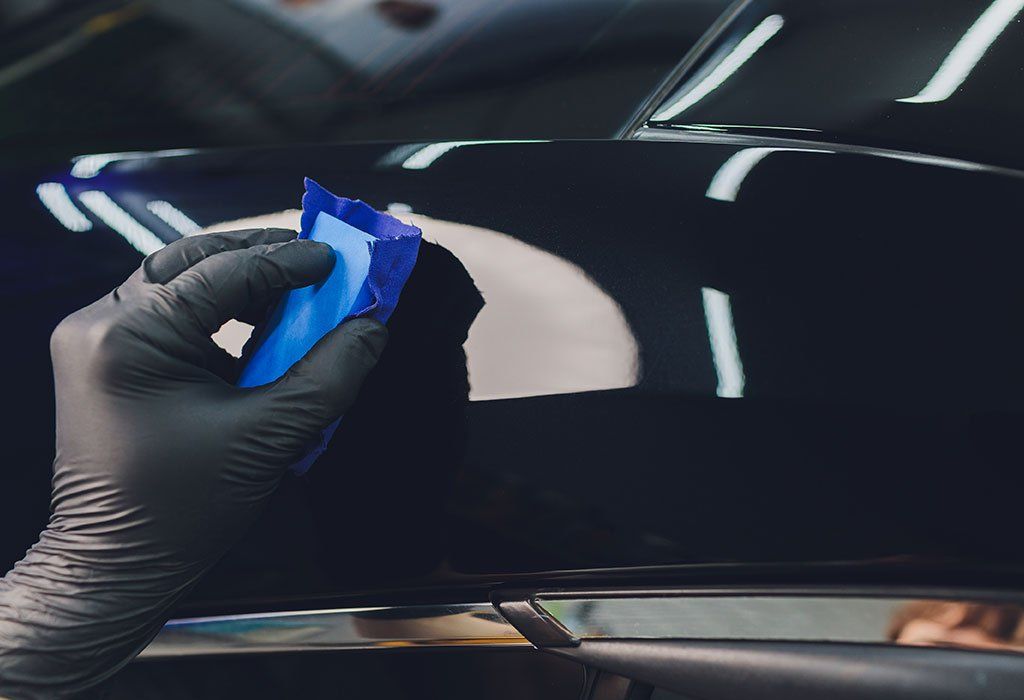
Beyond mechanical filtration and ventilation, physical dust control implements serve as frontline defenses against contamination. Simple tools like tack cloths are indispensable for wiping down vehicles just before applying ceramic coatings. These cloths are made with slightly adhesive fibers that attract and trap dust without leaving residue. Another critical piece of equipment is the sticky mat placed at entry points to controlled environments. These mats capture dirt and dust dragged in on footwear, preventing it from ever entering the cleanroom space. To maximize effectiveness, these tools should be integrated within a well-designed space built with smooth, easy-to-clean surfaces, airtight seals, and minimal foot traffic zones. The investment in such a tailored environment pays off by drastically reducing coating defects and rework costs.
Specialized Facilities
The importance of specialized facilities in the ceramic coating process cannot be overstated. These spaces are not simply garages or work bays; they are carefully engineered environments designed to eliminate every possible variable that could compromise the coating's bond and finish. Paint booths create sealed chambers where dust, pollen, and other airborne particles are kept at bay, which is crucial when working with coatings that cure chemically over days or weeks. Inside a paint booth, forced airflow and filtration systems cycle the air continuously, flushing out contaminants that would normally settle on your vehicle's surface and cause imperfections. This environment ensures an ideal temperature and humidity range, both critical for the chemical bonding processes.
When you're applying a liquid polymer that hardens into a durable glass-like layer, even microscopic debris can mar the final result. Cleanrooms elevate these controls to a whole new level. These rooms have strict limits on particulate count per cubic meter of air. They feature anti-static flooring to prevent dust attraction, positive air pressure to keep external contaminants out, and controlled access points. This meticulousness may seem extreme, but controlling not just dust but also static electricity is vital, as static can pull fine particles toward the car's surface during the delicate curing phase. For detailers without access to such high-tech facilities, replicating parts of this environment (such as using portable air purifiers, dust-free microfiber covers between steps, and maintaining stable temperature and humidity indoors) can significantly improve outcome quality.
The Application Process
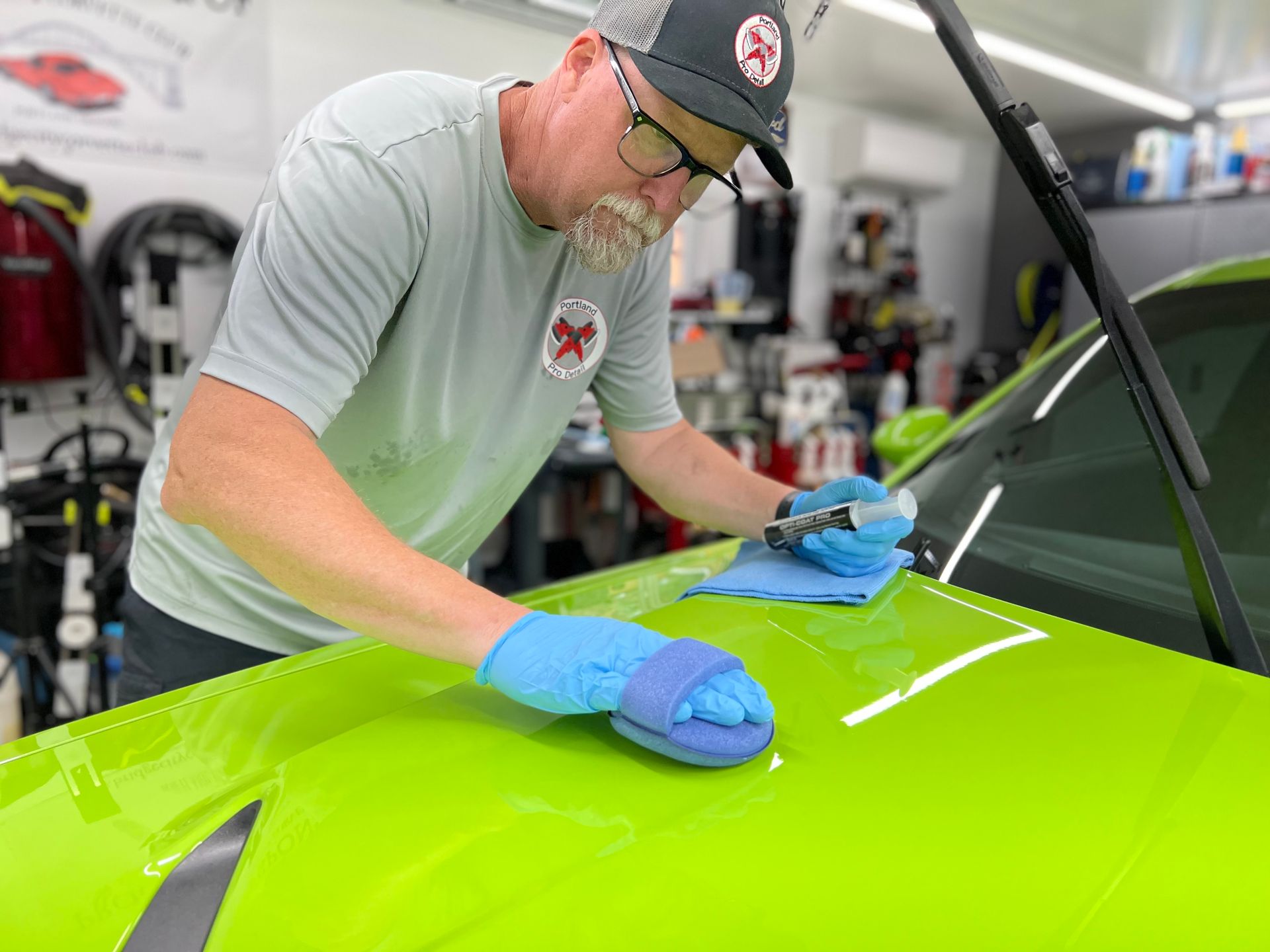
The key to a successful ceramic coating lies not just in what you apply but in how you prepare and handle the surface before, during, and after application. Professionals wash the vehicle meticulously using detergents that strip away oils and residues but do not leave behind any lubricants that could interfere with bonding. This is followed by paint correction, removing imperfections through machine polishing with products designed specifically to avoid oil contamination. Once the surface is pristine, it's time for application. Technicians use small, controlled sections rather than sprawling areas, which helps maintain focus and consistency. Applying ceramic coating from the center of each section outwards prevents uneven buildup and streaking. A high-quality foam applicator pad aids this process by maximizing product use while minimizing waste.
Timing is essential: allowing adequate dwell time before wiping ensures proper leveling without smearing or residue. After application comes curing, arguably one of the most critical phases. The coating needs stable temperature and humidity to form its bond fully. In professional settings, curing chambers or infrared lamps are commonly employed to accelerate this process and reduce downtime while maintaining optimal environmental conditions. This controlled curing phase ensures that microscopic particles don't settle on the wet coating, preventing imperfections and promoting chemical cross-linking that grants the ceramic coating its renowned durability and hydrophobic properties. This rigorous approach yields numerous benefits: longer-lasting protection against environmental damage, enhanced glossiness that truly pops under light, and surfaces so slick they repel dirt and water effortlessly.

Why Professionals Choose Controlled Environments
Professional detailers gain a significant edge when operating in temperature- and humidity-controlled spaces. These environments allow them to manage every variable that influences the ceramic coating application, from precise curing times to uninterrupted airflow that removes contaminants before they can settle. Such meticulous control is crucial because even tiny dust particles or inconsistent temperatures can cause imperfections that degrade the coating's performance and appearance. Beyond the technical improvements, working in an optimized environment also boosts efficiency. When conditions are predictable, detailers spend less energy troubleshooting issues caused by environmental fluctuations. This focused workflow not only shortens project timeframes but also reduces costly mistakes and reworks.
Moreover, optimal lighting and specialized tools integrated into controlled settings support paint correction processes, essential for maximizing the ceramic coating's impact. Enhanced final finishes build trust and foster customer loyalty, key drivers in maintaining a prosperous detailing business. Clients notice the difference in quality when coatings are applied under controlled conditions compared to more conventional settings. Contamination-related coating failures drop significantly, improving warranty claim rates and reducing service callbacks. These improvements reflect smoother operations, higher profitability, and an elevated reputation within a competitive market. Ultimately, controlled environments empower detailers to achieve consistent excellence while safeguarding their investment in top-tier products and equipment. It's a commitment that pays off not just in the immediate project but builds sustained value across client relationships and business growth. Controlled environments transform ceramic coating from a risky endeavor into a precise craft, ensuring every vehicle leaves with a flawless finish built to last. This careful attention to detail ultimately distinguishes professional applications from DIY attempts.
Precision Ceramic Coating Services Trusted in Portland, OR
Give your vehicle the lasting gloss and protection it deserves with Portland Pro Detail’s professional ceramic coating services in Portland, OR. Our advanced ceramic coatings form a smooth, hydrophobic surface that helps repel water, dirt, and environmental buildup, making routine care easier and more efficient. Whether you’re commuting through the city or heading out for a weekend drive, your vehicle maintains a clean, refined appearance designed to hold up in real-world conditions. Rely on our experienced team for precise application and consistent results that enhance both appearance and durability.
Schedule your ceramic coating service today
and enjoy a polished, well-protected vehicle every day!
Portland Pro Detail Blog