Odor Neutralization Techniques in Professional Interior Detailing
Stepping into a vehicle that carries an unpleasant odor can immediately affect the driving experience. Removing these odors requires more than a quick spray of air freshener. True interior freshness comes from identifying and eliminating the source of the problem rather than covering it up. Professional interior detailing focuses on deep cleaning techniques and targeted treatments that reach hidden areas where odors develop and linger.
Odor neutralization in expert detailing involves specialized equipment and proven methods that break down odor-causing particles at their source. By addressing both visible and hidden contaminants, professionals restore a clean and inviting interior that feels refreshed every time the door opens.
How Professional Detailing Targets Odors at the Source
Professional detailing follows a structured approach that goes beyond surface cleaning. Odors often settle deep within upholstery, carpets, and ventilation systems, making them difficult to remove without the right process. One of the most effective methods used is steam cleaning. High-temperature steam penetrates deep into fabric fibers and carpet layers, loosening dirt and breaking down contaminants trapped beneath the surface. Unlike basic cleaning methods, this approach reaches areas that are not accessible through standard vacuuming.
Steam cleaning also plays a role in sanitizing the interior. Heat helps eliminate odor-causing bacteria, which are often responsible for persistent smells such as mildew or food residue. Because this method uses minimal moisture, it reduces drying time and helps prevent issues caused by excess dampness. In addition to steam cleaning, professional inspection is a key part of the process. Odors can originate from unexpected areas such as air vents, under seats, or within padding. By identifying the exact source, detailers can apply the most effective treatment instead of relying on general cleaning alone.
For organic residues, enzymatic cleaning solutions are commonly used. These treatments break down odor-causing particles at a molecular level, allowing for complete removal rather than temporary improvement. In more severe cases, advanced treatments may be introduced to fully refresh the cabin environment.
Common Sources of Interior Odors
Odors inside a vehicle often come from multiple sources, many of which are not immediately visible. Understanding where they originate is essential for proper removal. Food residue is one of the most common causes. Even small crumbs or spills can settle into seams and padding, gradually breaking down and producing unwanted smells over time. These particles are not always visible and often require deep cleaning to fully remove.
Moisture is another major contributor. Water can enter the vehicle through leaks, wet clothing, or unnoticed spills. When moisture becomes trapped in fabric or foam, it creates an environment where mildew can develop, leading to a persistent damp odor. Pet-related residue can also build up within the interior. Hair, dander, and natural oils can embed themselves into upholstery and carpets, making odors difficult to eliminate with basic cleaning methods.
The vehicle’s ventilation system is often overlooked. Over time, dust and moisture can accumulate within air ducts, allowing bacteria and mold to develop. When the system is running, these odors circulate throughout the cabin, making it difficult to maintain a fresh environment. Addressing these sources directly is essential. Cleaning only the surface without treating the root cause will not deliver long-term results.
A Complete Approach to Odor Removal
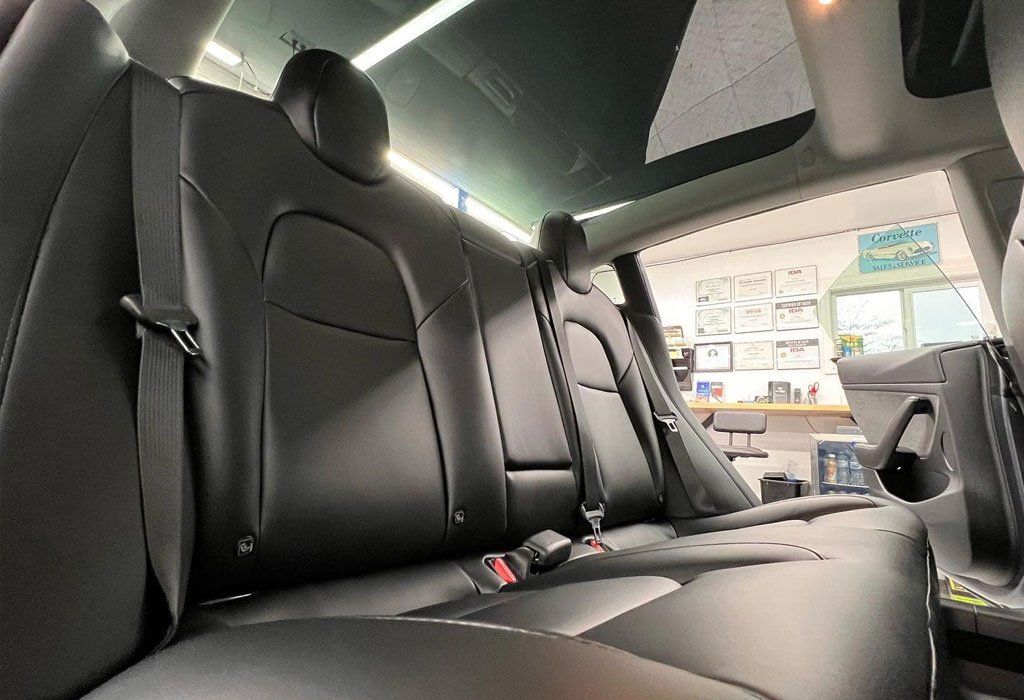
A thorough odor removal process involves treating every area where odors can develop. This includes fabrics, ventilation systems, and hidden surfaces that are often overlooked. The process usually begins with deep cleaning of carpets and upholstery. Standard vacuuming removes loose debris, but deeper cleaning methods are required to extract embedded contaminants. Enzymatic treatments are then applied to break down remaining odor-causing materials.
Next, attention shifts to the ventilation system. Over time, contaminants can build up inside ducts and filters. Specialized cleaning solutions are used to treat these areas, helping prevent odors from circulating through the cabin. For more persistent odors, advanced treatments may be necessary. Ozone treatment or thermal fogging can reach areas that traditional cleaning methods cannot access. These processes allow for complete coverage, ensuring that no part of the interior is left untreated.
A key part of this approach is proper inspection. Identifying the source of the odor ensures that the correct methods are applied, preventing unnecessary treatments and improving overall effectiveness.
Addressing Stubborn Odors
Some odors require more advanced solutions due to how deeply they are embedded within interior materials. Smoke, heavy moisture exposure, and long-term buildup can be particularly challenging to remove. Ozone treatment is often used in these situations because of its ability to neutralize odors at a molecular level. It penetrates fabrics, air pathways, and hidden spaces, making it highly effective for complete odor removal.
Enzymatic cleaners may also be used alongside advanced treatments to break down any remaining organic material. This combination ensures that both the source and the lingering particles are addressed. These methods require careful application and are typically performed by professionals to ensure safe and effective results. When done correctly, they can restore the interior environment to a noticeably fresher state.
Improving Air Quality Inside the Vehicle
Maintaining clean air inside the vehicle is just as important as cleaning surfaces. Odors can linger in the air even after deep cleaning if airborne particles are not properly managed. Air purification systems designed for vehicles help filter out contaminants such as dust, pollen, and odor-causing particles. These systems continuously circulate and clean the air, reducing the chances of odors returning.
Activated charcoal is another effective option for maintaining air quality. It absorbs unwanted particles without releasing any fragrance, making it a practical solution for ongoing odor control. Combining active filtration with passive absorption creates a balanced approach. One method removes particles from the air, while the other continues to absorb any remaining odors over time.
Maintaining a Fresh Interior
Keeping a vehicle interior fresh requires consistent care. Odors can return if routine maintenance is not part of the cleaning process. Regular vacuuming helps remove dirt and debris that can contribute to odor buildup. Paying attention to areas such as seat seams and floor mats is especially important, as these spots tend to trap particles.
Cleaning hard surfaces like dashboards and door panels also plays a role. Oils and residue can accumulate over time, affecting the overall freshness of the interior. Using odor-neutralizing products after cleaning helps maintain results. These products work best when the interior is already clean, allowing them to address any remaining particles effectively.
Simple habits also make a difference. Limiting food consumption inside the vehicle and allowing for proper airflow when possible can help reduce the chances of odors developing. Consistency is key. A well-maintained interior not only feels more comfortable but also helps preserve the condition of the vehicle over time.
A Cleaner Cabin Starts Here in Vancouver, WA
Your driving experience starts with the condition of your cabin. Portland Pro Detail offers interior detailing services in Vancouver, WA that go beyond surface cleaning, targeting hidden debris and odor sources throughout your vehicle. With careful attention to fabrics, panels, and tight spaces, our team restores a clean, welcoming environment you can appreciate daily.
Schedule your service and bring back that fresh interior feel!
Portland Pro Detail Blog