Ceramic Coating: How to Protect Car Paint Long-Term in Outdoor Parking
If you park your car outside regularly, you know how challenging weather can be on your paint. Sun, rain, dirt, and bird droppings all add up over time, leaving your car looking tired. That's where ceramic coating steps in, a smart way to keep your car's finish protected and looking fresh for years. Ceramic coating offers a durable protective layer that significantly reduces UV damage and fading on automotive paint, making it ideal for cars parked outdoors exposed to environmental elements. To maximize its long-term effectiveness, often lasting three to five years or more with proper maintenance, it's essential to apply the coating on a well-prepared surface and perform regular upkeep such as gentle washing and periodic application of topper products.
The Science Behind Ceramic Coating
Ceramic coatings are not ordinary surface treatments. They are liquid polymers engineered to form a lasting chemical bond with your car's paint. This bond creates a solid layer that enhances hydrophobicity, the ability to repel water, which is why these coatings are often described as giving your vehicle self-cleaning properties. Unlike wax or sealants that merely sit on top of the paint and wear away relatively quickly, ceramic coatings intertwine at a microscopic level with the paint itself. The backbone of most ceramic coatings is silicon dioxide, which comes from sources like quartz or sand. In some formulations, titanium dioxide is also included. When applied correctly, the silicon dioxide molecules create an ultra-thin but incredibly strong layer that bonds tightly to the paint's surface. This layer acts like a shield, preventing harmful substances from penetrating down to the paint beneath.
Ceramic-coated surfaces create impressive water-repelling effects, which means water doesn't spread out flat but quickly beads up and rolls off. This rolling water naturally collects dirt particles, helping keep your car cleaner for longer and making washing less labor-intensive. Beyond hydrophobicity, the ceramic layer provides impressive resistance against ultraviolet radiation. UV rays from sunlight cause paint oxidation and fading over time, a gradual process that dulls colors and reduces the showroom shine you prized when you first bought your car. The ceramic coating acts like sunscreen for your vehicle's exterior, which markedly slows down this degradation. Because no coating lasts forever under constant environmental stress, especially for cars parked outdoors, the best approach involves ongoing maintenance combined with periodic reapplication of specialized ceramic topper products. These extra layers help restore water-repelling properties and strengthen protection against constant UV rays and dirt.
Applying Ceramic Coating
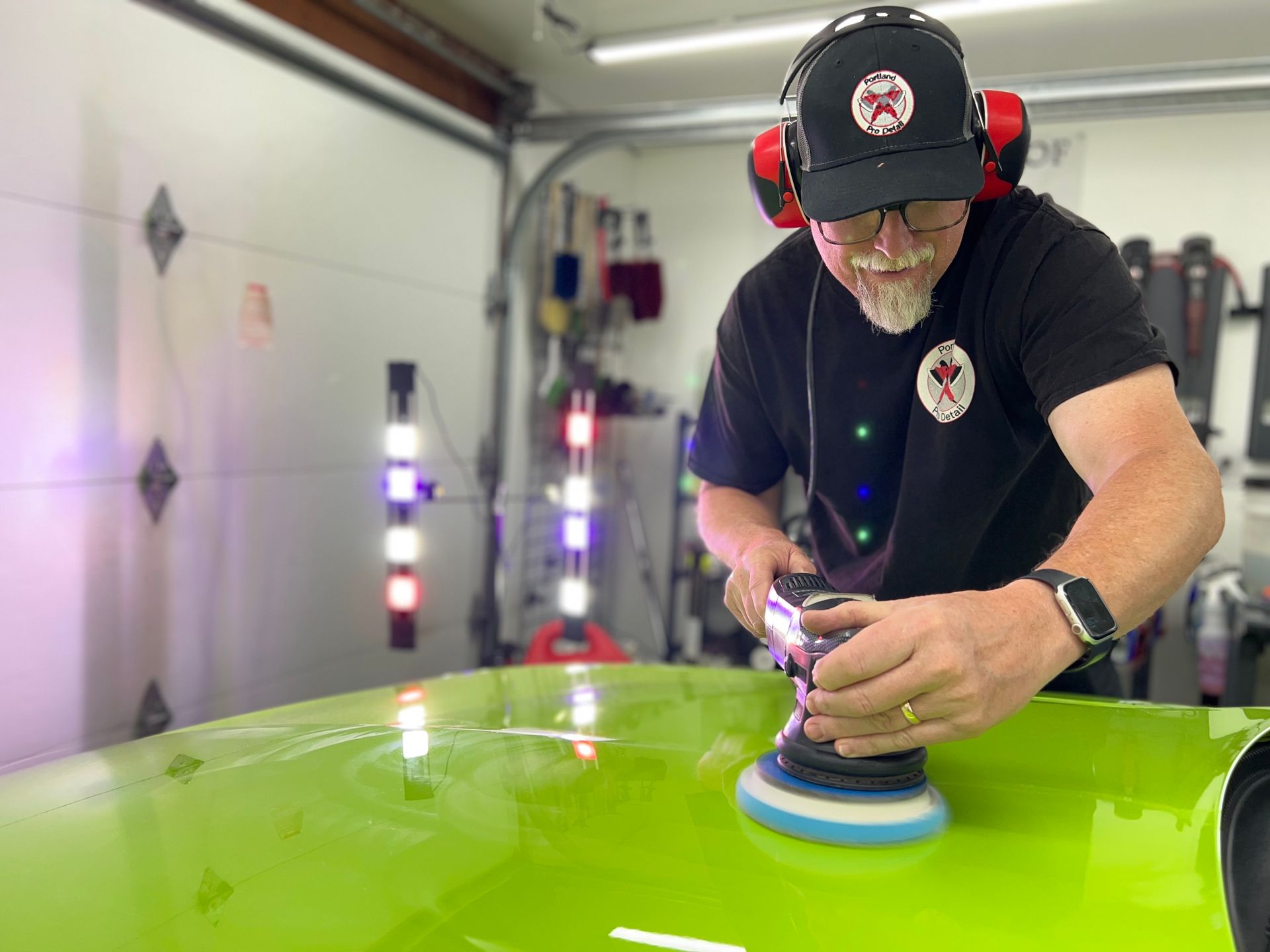
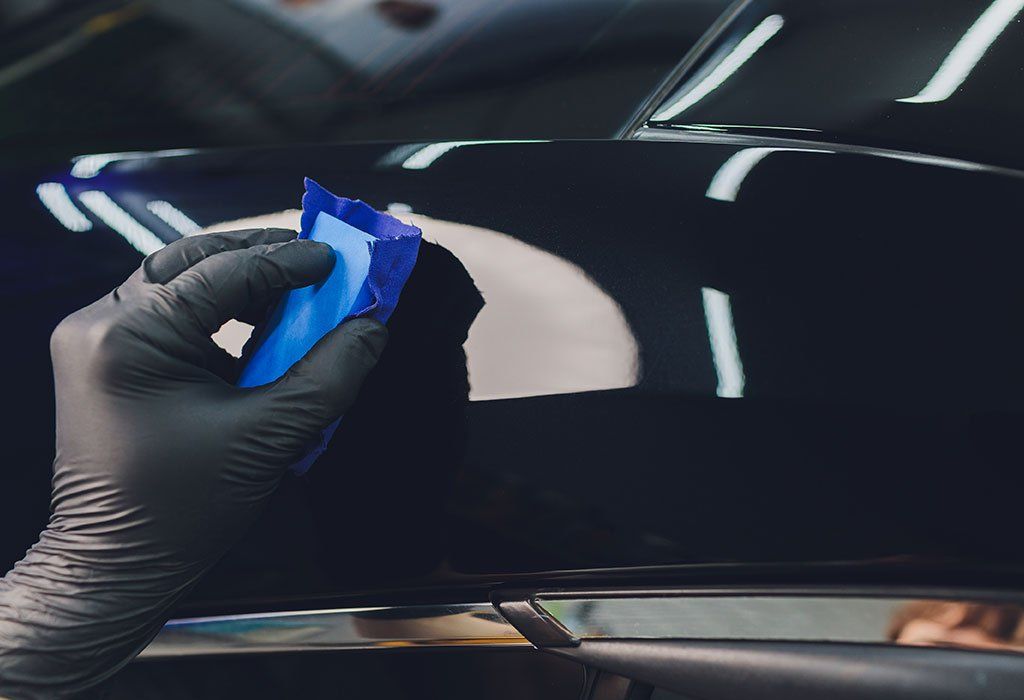
Applying ceramic coating demands careful attention because every stage matters to achieve that durable, glass-like finish. The process begins with preparing the surface. This is not just about washing your car but making sure every speck of dirt, grease, or environmental grime is completely removed to allow the coating to bond properly. Use a high-quality, pH-neutral car wash soap and rinse thoroughly before drying. After that, taking a clay bar to the paintwork helps lift embedded contaminants that regular washing can't reach. This step ensures the paint is smooth and pristine, which is critical since any leftover particle could ruin the finish once sealed under the coating. Once you have a spotless canvas, the next phase is paint correction. This step is often overlooked but arguably the most important for optimal results with ceramic coatings. Here, polishing compounds come into play. These compounds remove subtle imperfections that accumulate even on new cars during transport and handling. You want your surface to be flawlessly smooth because ceramic coating acts like transparent armor and highlights everything beneath it, including flaws.
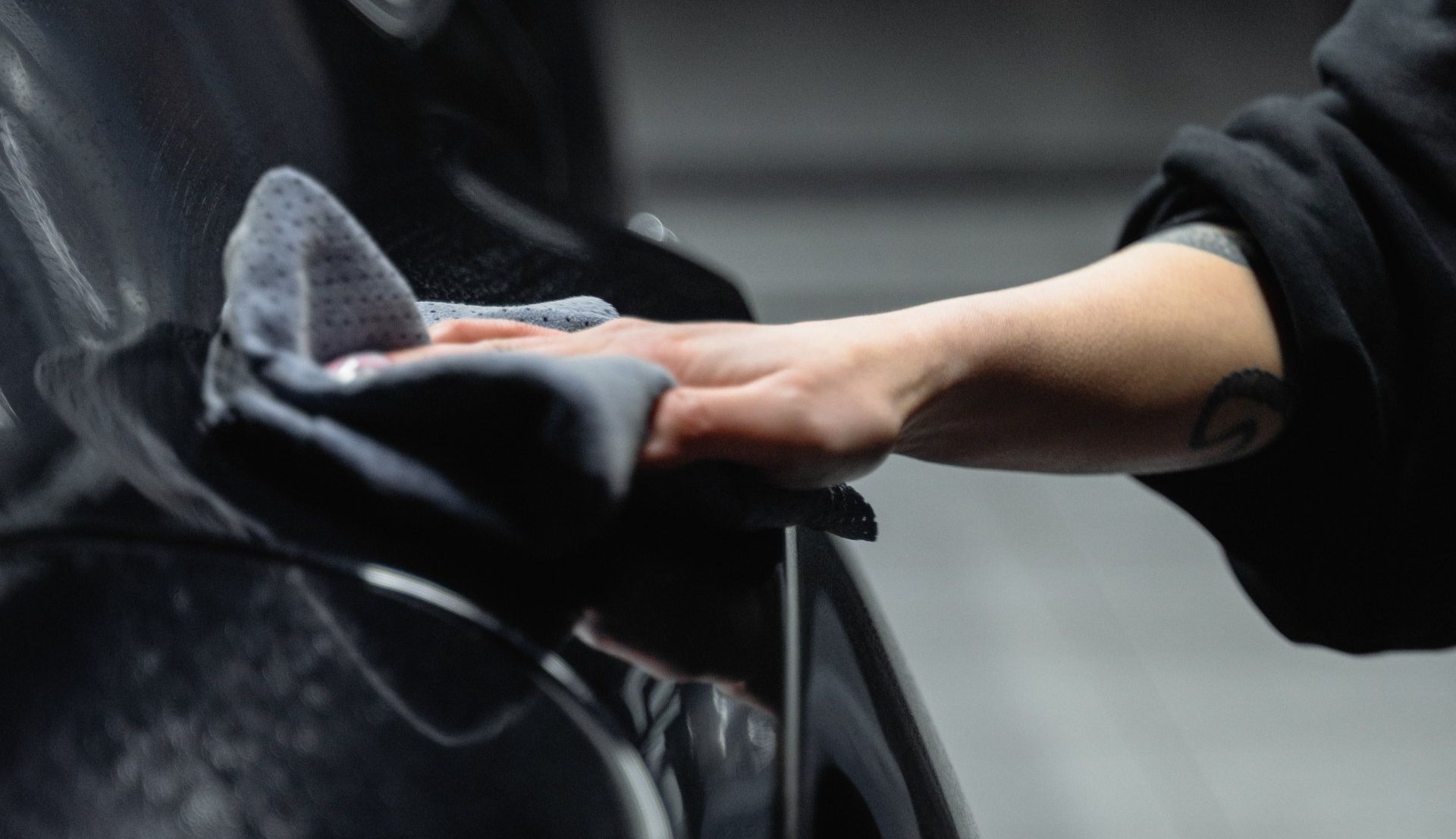
With your paint corrected to near-perfect condition, it's finally time for the main step: applying the ceramic coating itself. Application requires patience and precision. Work in small sections, around two by two feet, using a foam applicator pad designed to evenly distribute the coating. Apply in a crosshatch pattern with horizontal strokes followed by vertical strokes to ensure full coverage without overlap marks. After applying each section, allow the coating to dwell for the manufacturer's recommended time, usually between one and five minutes, before buffing it off gently with a clean microfiber towel. This timing is crucial. Too short means insufficient bonding, and too long risks uneven curing and stubborn residue.
Outdoor Durability and Long-Term Benefits
One of the most relentless enemies of car paint is ultraviolet radiation. Day after day, the sun bombards your vehicle with rays that slowly degrade its finish, causing colors to fade and surfaces to oxidize. Ceramic coatings contain specialized UV inhibitors designed to absorb and deflect these harmful rays. This built-in defense doesn't just delay fading but preserves the vibrant sheen that makes your car look fresh off the showroom floor for years. The real test comes with the unpredictable weather elements your vehicle faces when parked outside all year round. Ceramic coatings form a chemically bonded, nearly impenetrable layer over your paintwork, which acts like invisible armor against environmental threats. From scorching summer heat to freezing winter chills, these coatings withstand extreme temperature swings without cracking or peeling.
Moreover, vehicles are routinely exposed to corrosive substances such as acid rain, bird droppings, and sticky tree sap, all capable of leaving marks or eating away at your paint if left untreated. Thanks to their advanced chemical formulation, ceramic coatings resist these aggressors by causing liquids and contaminants to bead up and slide off effortlessly, minimizing surface contact time. This hydrophobic effect not only keeps your car cleaner but also safeguards it from chemical damage that would otherwise require costly repairs. For anyone parking outdoors, whether under blazing sun, heavy rain, or near salty coastal air, investing in a high-quality ceramic coating translates into long-term peace of mind. It means less frequent washes and waxing sessions since dirt and grime won't cling as stubbornly. It also dramatically reduces the risk of dulling or erosive damage that can happen without visible warning until significant deterioration has occurred.
Maintaining Your Coated Car
Parking a ceramic-coated car outside presents unique challenges. Unlike garage-kept vehicles that benefit from controlled environments, outdoor exposure means your car faces dirt, UV rays, bird droppings, tree sap, and pollutants daily. Keeping the protective ceramic layer intact requires a thoughtful maintenance routine tailored to these conditions. Every couple of months, take time to examine your car's surface closely under good light. Look for any signs of wear, such as dull spots or water spotting. Catching these issues early lets you address them before the damage worsens. If you notice contaminants like bird droppings or tree sap stuck on the paint, remove them quickly using a safe cleaner, as letting them sit can etch through even ceramic coatings over time.
Applying ceramic booster sprays every six to eight months rejuvenates your coating's water-repellent abilities and enhances UV defense. These sprays supplement the original ceramic layer by filling minor surface imperfections and restoring gloss without stripping away any protection. Boosters are designed to bond chemically with the existing coating, unlike regular waxes, which merely sit on top. This means each application reinforces resilience against environmental insults, a crucial factor especially if you regularly park under open skies where sun and rain accelerate paint degradation.
Regular washing also plays a vital role in preserving both aesthetics and durability. Whenever washing is needed, preferably every one to two weeks, choose methods that minimize mechanical contact. Touchless car washes are ideal since they avoid brushes or mitts that might disrupt the sleek ceramic finish. If washing manually, use only pH-neutral shampoo formulated specifically for coated cars alongside ultra-soft microfiber towels or wash mitts checked for trapped debris. Using ordinary cleaners or harsh chemicals can weaken the ceramic film over time, breaking down its molecular structure and leaving the underlying paint vulnerable. Even water temperature matters. Lukewarm or cool water prevents thermal stress to the coating compared to hot water, which may degrade protective layers incrementally. Where possible, shade your vehicle from direct sunlight using trees, carports, or quality covers designed not to trap moisture but shield from UV rays and airborne contaminants. These small preventive measures reduce heat cycling effects that can fatigue coatings prematurely. Smart maintenance practices combined with protective parking choices ensure your ceramic coating preserves your car's showroom appearance for years. With consistent care, your investment in ceramic coating continues delivering superior protection against nature's relentless wear.
Portland’s Premier Ceramic Coating Service
Give your car the long-lasting shine and protection it deserves with Portland Pro Detail, the trusted choice for top-tier ceramic coating services in Portland, OR. Their expert team uses advanced coating technology to shield your vehicle from Oregon’s rain, road contaminants, and daily wear, keeping your paint looking vibrant and clean with far less effort. Whether you drive a luxury car, daily commuter, or rugged SUV, Portland Pro Detail delivers results that enhance durability, boost appearance, and ensure your vehicle stays in its best condition year-round. Ready to upgrade your car’s protection? Contact Portland Pro Detail today to book your ceramic coating service!
Portland Pro Detail Blog