Can Ceramic Coating Be Applied Over PPF? Benefits and What to Know
When it comes to protecting your car's paint, you have likely heard of both paint protection film (PPF) and ceramic coatings. The two can also work together. Combining them is not simply layering one product over another; it creates a stronger, smarter shield that makes your car easier to clean and keeps it looking sharp for longer. Here is how and why applying ceramic coating over PPF is worth considering for your vehicle's finish.
Yes, ceramic coating can be applied over paint protection film to strengthen protection and add benefits like better water repellency, easier maintenance, and more gloss. The film must be fully cured before the coating goes on so it bonds properly and lasts, a popular choice for owners who want lasting protection without removing the film.
Layering Ceramic Coating Over Paint Protection Film
When you add ceramic coating on top of PPF, the two products build a stronger layer of defense. PPF is a physical barrier against rock chips, scratches, and minor abrasions, especially on areas that take the most impact like the front bumper, hood, and side mirrors. Ceramic coating adds an invisible layer that boosts gloss, repels water and contaminants through its hydrophobic surface, and increases UV resistance.
For the coating to bond properly, the film needs to be fully cured first. Most manufacturers recommend waiting at least 48 hours after installation so the adhesive can settle and any residue can dissipate. Coating too soon can hurt adhesion and leave an uneven finish. At Portland Pro Detail, we emphasize thorough surface preparation first: washing, and wiping down with isopropyl alcohol to create a clean base, since any dirt trapped under the ceramic layer can cause defects or early failure.
You typically do not need paint correction when coating over PPF, because quality films are smooth at installation and aggressive polishing risks thinning the film. Adding the coating does raise the total investment compared to coating bare paint, but it extends the life of both layers and can mean fewer repairs and film replacements.
Key Benefits of Ceramic Coating Over PPF
PPF shields against physical damage like rock chips and scratches, but it has limits with water, dirt, and UV rays. Ceramic coating fills those gaps. Applied correctly over fully cured film, it strengthens protection in several ways.
Improved water repellency. Water and grime bead up and roll away, so the surface sheds dirt on its own, water spots are reduced, and washing is less frequent.
UV protection. The coating blocks UV rays that yellow and break down film over time, helping it hold its clarity and color, which matters most for vehicles that sit in the sun.
Added scratch resistance. The film absorbs chips and impacts while the coating resists the fine scratches and swirl marks that come from washing and drying.
Chemical resistance. A ceramic coating sharply reduces the ability of bird droppings, tree sap, and acidic rain to bond, which means less cleaning and less risk of permanent damage.
Gloss enhancement. The coating adds depth and a deep, glossy shine beyond what PPF delivers on its own, and it holds up across seasons.
| Property | Uncoated PPF | Ceramic Coated PPF |
|---|---|---|
| Scratch Resistance | Baseline (film recovers light marks) | Added surface hardness against fine scratches |
| Water Repellency | Moderate | Strong hydrophobic surface |
| UV Protection | Limited | Meaningful UV blocking |
| Chemical Resistance | Basic | Stronger contaminant resistance |
| Maintenance | Regular washes needed | Easier, less frequent cleaning |
| Gloss and Shine | Mild gloss | Noticeably deeper shine |
At Portland Pro Detail, we see the results of this pairing every day, and both layers only perform when the application is done right.
What Professional Application Looks Like
Our process for car ceramic coating over PPF follows a careful sequence built for a clean, even, lasting result.
Surface preparation. We start with a thorough wash using a quality automotive shampoo, then use a clay bar to lift microscopic particles the wash cannot reach, and finish with an isopropyl alcohol wipe across every panel to remove oils and residue that could interfere with bonding. This step separates a lasting result from a premature failure.
Film inspection. Before any coating goes on, we check each panel for bubbles, lifting edges, or other imperfections. These need to be addressed first, because ceramic coating cannot fix structural problems with the film underneath.
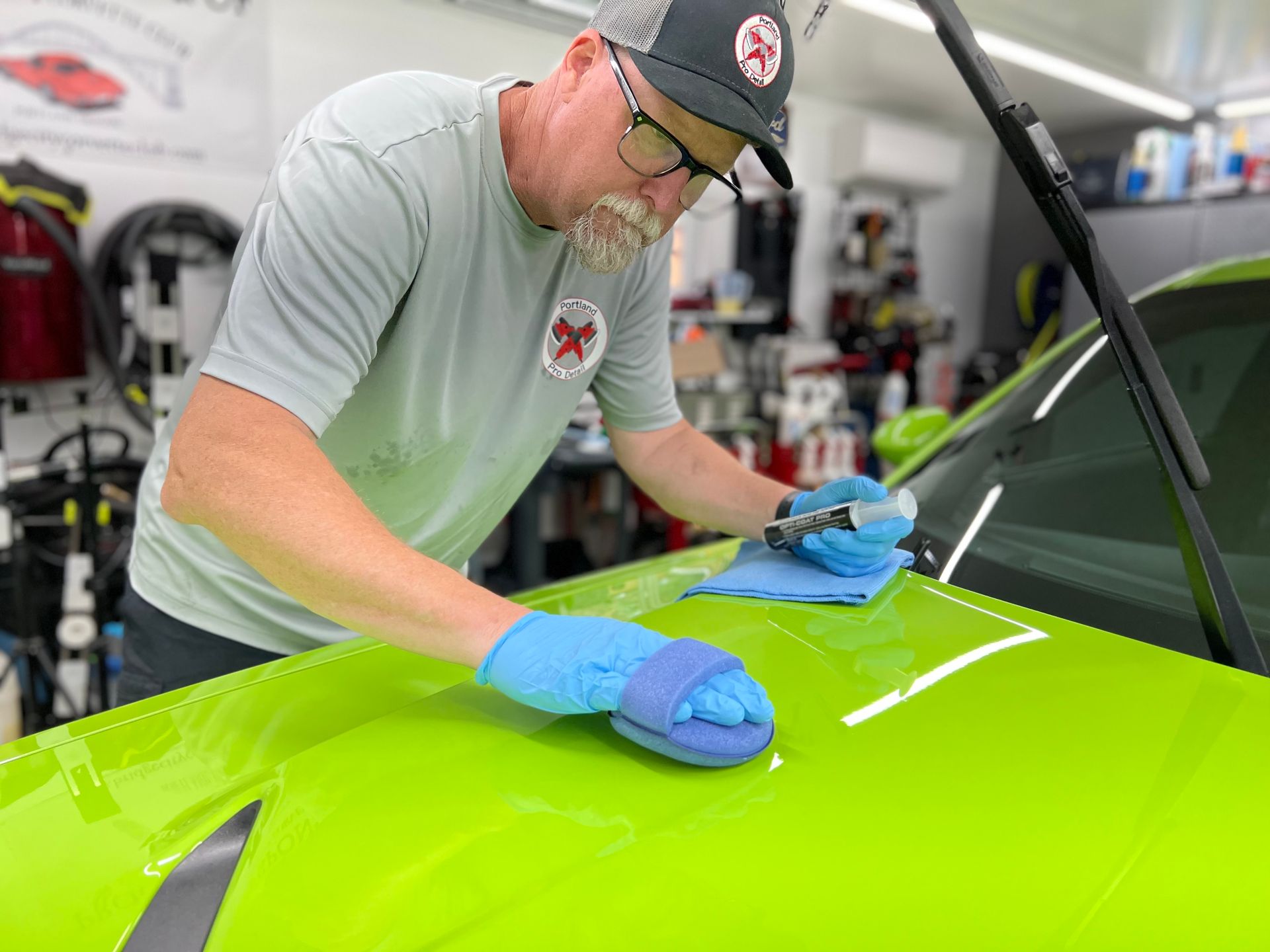
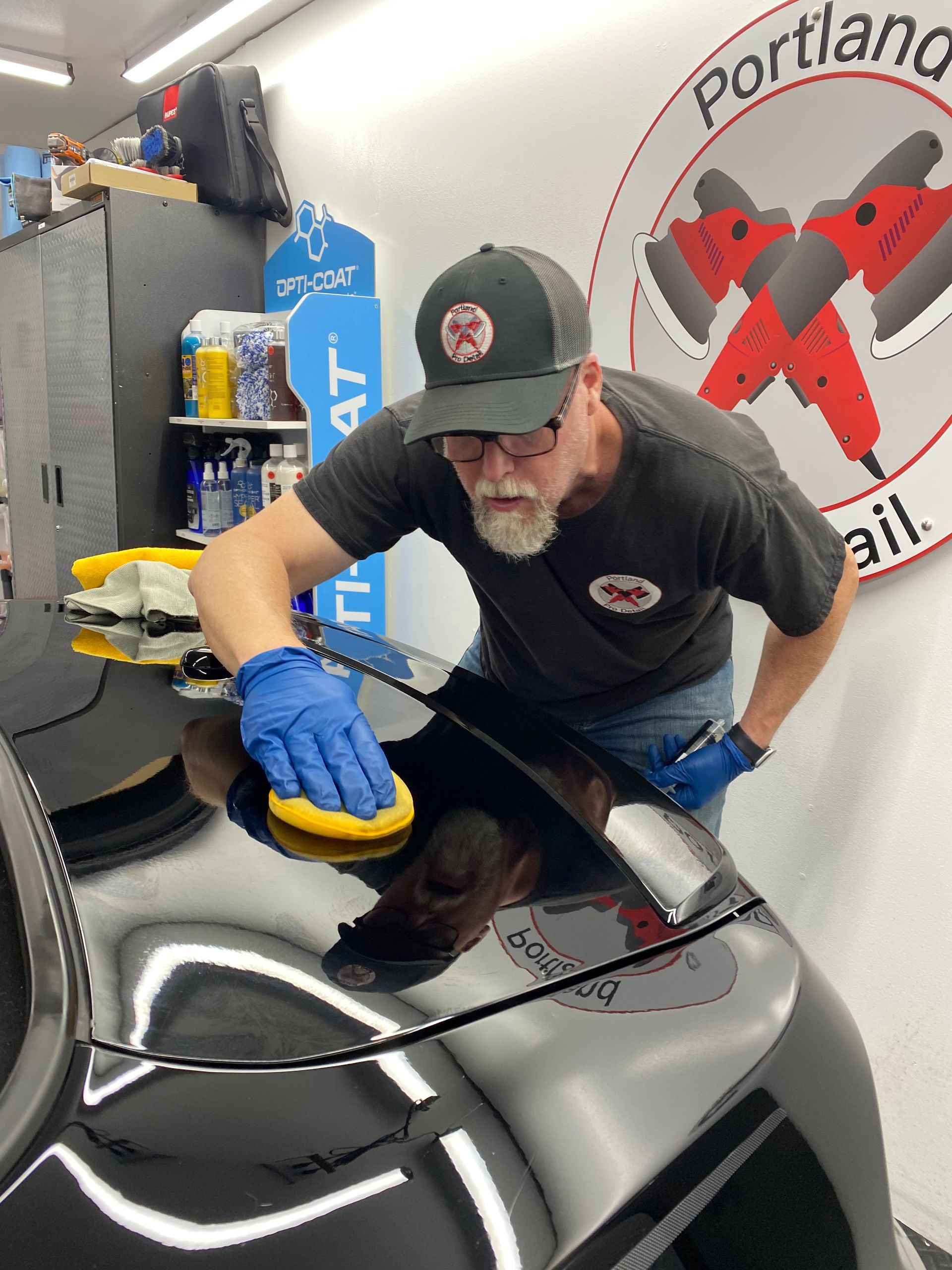
Coating application. The coating is applied in small sections with a foam applicator pad so coverage stays even. A crosshatch pattern, horizontal strokes followed by vertical, makes sure no spots are missed and no area gets too heavy a layer. After a brief dwell time, excess product is buffed away with a clean microfiber towel.
Curing. The vehicle then sits indoors, away from dust, moisture, and temperature swings, for at least 24 hours, with full durability developing over 48 hours. During that window it should not be washed or exposed to the elements.
This is why we recommend a trained team for this work. Our technicians are IDA certified and apply coatings so both layers bond and last. The difference between a professional application and a rushed one is often invisible at first but shows up within months.
Maintenance and Care for Coated PPF
Ceramic coating over PPF still needs regular upkeep to preserve water repellency and extend the life of both layers.
Washing. Wash every one to two weeks with a mild soap made for coated surfaces, ideally in the pH 6 to 8 range, using lukewarm water. Avoid harsh detergents and abrasive cleaners.
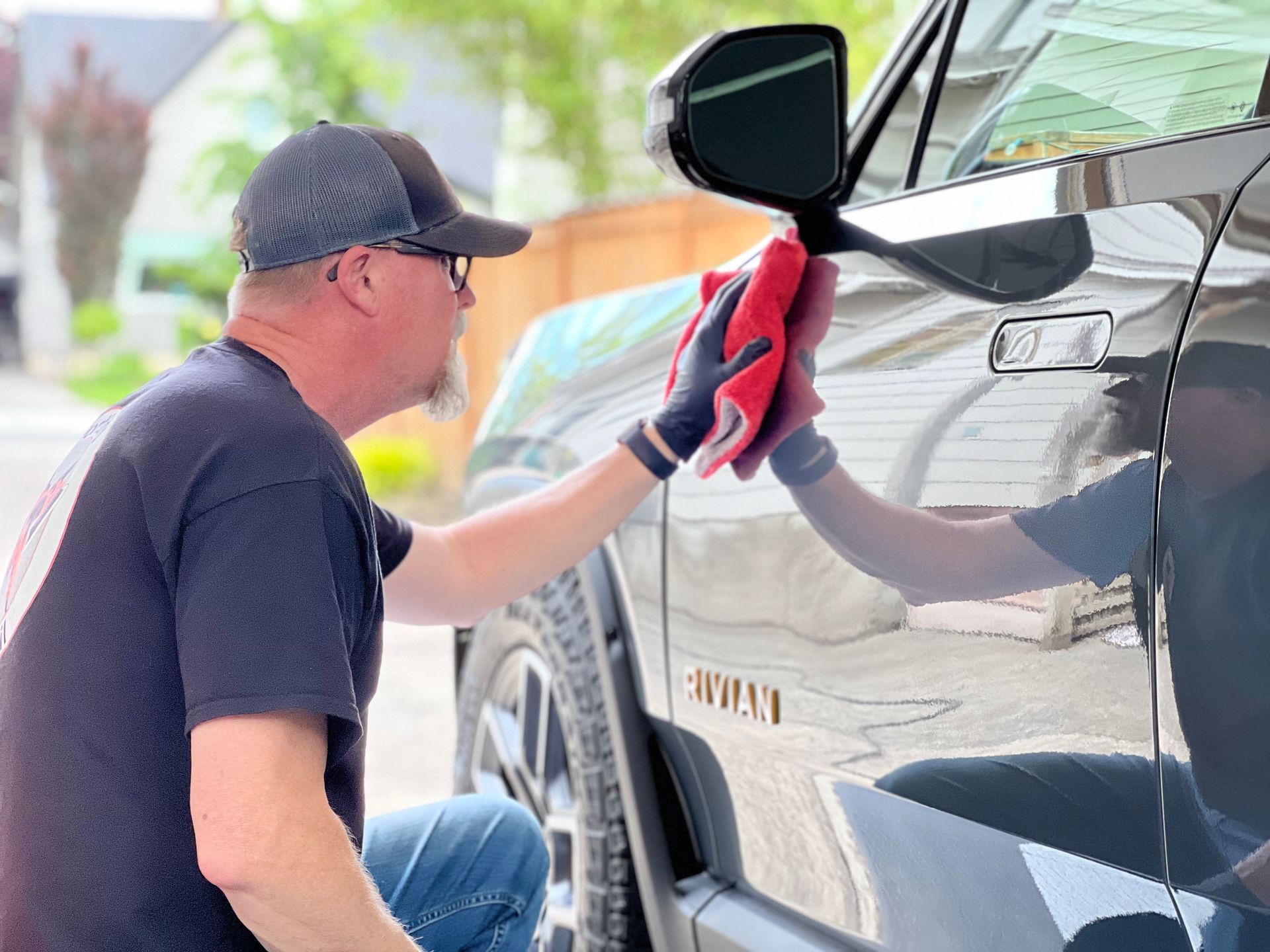
Hand wash over automatic. Hand washing with microfiber mitts is better than automatic washes, which use aggressive brushes that cause swirl marks. The two bucket method, one bucket for soapy water and one for clean rinse water, keeps dirt from being reintroduced.
Maintenance sprays. Every three to six months, a spray made for ceramic coatings revives hydrophobic performance and gloss without stripping the existing protection.
Contaminant removal. Remove bird droppings, tree sap, bug splatter, and road tar within 24 hours, since their acids can etch or stain if left too long.
Reapplication. Coatings over PPF typically need reapplication every one to two years, depending on sun exposure, weather, driving habits, and product quality.
Drying.
After rinsing, dry with a plush microfiber towel (300 GSM or higher). Letting water air dry invites mineral spots that dull the finish.
Real World Advantages of the Combined Approach
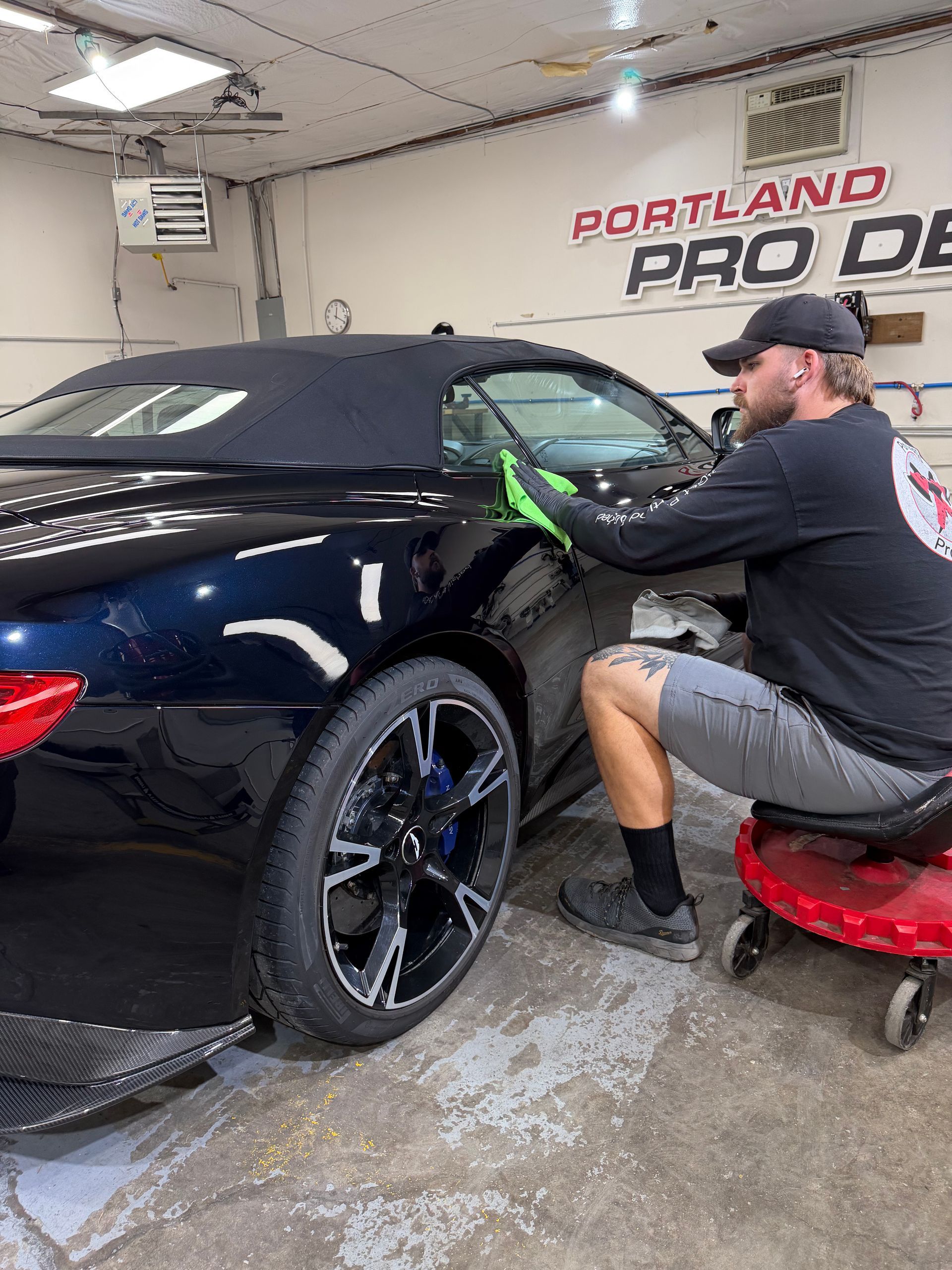
Layering ceramic coating over PPF gives your vehicle a defense that neither product delivers alone. In our everyday work at Portland Pro Detail, the most noticeable result is how much easier cleaning becomes: the hydrophobic surface causes water and contaminants to slide off, so you wash less often and grime loosens without aggressive scrubbing. These advantages hold across climates, from rainy Pacific Northwest winters to dry summers, and for higher value vehicles the approach often pays for itself by delaying film replacements.
Important Considerations
The most important factor in layering ceramic coating over PPF is getting the application right. Because the coating cures chemically on the surface, contaminants trapped between the layers or an uneven application can leave a patchy result that undermines the film's protection. A poorly applied coating can also interfere with the ability of quality PPF to recover light marks. Since not all films react the same way to every formula, a small patch test in a hidden area is a smart step first.
It is also worth deciding whether the combined approach fits your situation. If your main concern is rock chips, PPF alone may be enough. If you want added gloss, easier cleaning, and chemical resistance, ceramic coating is a strong standalone option. If you want both, combining them gives the broadest coverage. At Portland Pro Detail, we install STEK PPF products and apply ceramic coatings with IDA certified training, and we walk you through what makes sense for your vehicle rather than pushing a single package for every car.
Protect Your Vehicle With the Right Combination
Choosing between car paint protection film, ceramic coating, or a combination of both depends on how you drive, where your vehicle is stored, and the level of protection you want.
At Portland Pro Detail, we help you choose the right protection strategy for your vehicle instead of pushing a one-size-fits-all package. Whether your priority is preventing rock chips, making your vehicle easier to maintain, enhancing gloss, or protecting your investment long term, our team can recommend the right solution.
Ready to protect your vehicle? Schedule your appointment or call 503-444-7415 to discuss whether PPF, ceramic coating, or both are the best fit for your vehicle.
Frequently Asked Questions
What types of ceramic coatings work best over paint protection film?
The best options are formulas designed to bond with film. They flex to move with the film, and they work alongside the ability of quality PPF to recover light marks. Not every coating is compatible with film, so use a product the manufacturer has confirmed for PPF. At Portland Pro Detail, we match the coating to the film installed on your vehicle.
How often should ceramic coatings be reapplied when used over PPF?
Most need reapplication every one to two years to keep hydrophobic performance and UV protection at full strength. The timeline depends on sun exposure, weather, road contaminants, and your wash routine. A ceramic maintenance spray between reapplications helps extend the coating's life.
Can applying a ceramic coating over PPF void any manufacturer warranties?
In most cases it does not. Most PPF makers consider ceramic coatings compatible and even beneficial, since the coating adds UV and chemical protection that helps the film last longer. Warranty terms still vary, so check the documentation for the film installed on your vehicle before adding a coating.
How does ceramic coating affect the longevity and appearance of paint protection film?
It helps the film last longer by shielding it from the UV exposure that causes yellowing, and it adds a glossy, hydrophobic surface that keeps the film cleaner and reduces wear from washing. The visual result is a deeper, more consistent shine with better color clarity than film alone.
Are there any special preparation steps needed before applying ceramic coating over PPF?
Yes. The film must be washed, decontaminated with a clay bar, and wiped down with isopropyl alcohol before the coating goes on, which removes the oils and residue that would prevent proper bonding. The film also needs to be fully cured first, typically at least 48 hours after installation.
Portland Pro Detail Blog