Paint Protection Film for Vehicles with Complex Body Lines: Custom Fit and Durable Solutions
When it comes to protecting your car’s paint, every vehicle presents its challenges. Standard protection methods often fall short on vehicles with sharp edges, tight curves, and complex body lines. Specialized paint protection films are engineered to adapt to these contours, allowing the film to stretch and conform where needed while maintaining durability, clarity, and consistent coverage across the surface. This guide covers what you need to know about these custom-fit solutions that keep even the trickiest car designs looking flawless. The science and skill that go into turning a clear film into a nearly invisible shield perfectly molded around every contour might surprise you.
Paint protection film for vehicles with complex body lines is specially formulated with high elasticity and conformability, allowing it to adhere smoothly without excessive heat or stretching during installation. When choosing PPF for these types of vehicles, look for advanced TPU films that are about 10.0 mil thick, as they offer self-healing features, UV protection, impact resistance, and clear visibility to provide strong, invisible protection that keeps your car looking good while fitting perfectly along sharp edges.
What is Paint Protection Film?
Paint protection film is essentially a tough, invisible shield for your car's finish. Made primarily from thermoplastic polyurethane (TPU), this advanced polymer balances flexibility with strength in a way that few materials can. Imagine a thin, clear armor that hugs every curve and contour of your vehicle without hiding its original color or gloss. The magic lies in its ability to absorb the minor bumps of daily driving, from rock chips thrown up on the highway to scratches from washing, without sacrificing appearance. Unlike traditional coatings that just sit on top of paint, PPF actively protects against physical damage thanks to its elasticity and thickness, typically ranging between 6 and 10 mils (0.15 to 0.25 millimeters). This thickness might sound negligible, but it's enough to act like a shock absorber for your vehicle's surface.
Advanced films feature layers specifically designed not only to defend against impacts but also to self-heal. If a tiny scratch appears, ambient heat or sunlight triggers the film's TPU chemistry to subtly repair itself within days. What makes PPF particularly impressive is its conformability. Vehicles today feature complex body shapes with aggressive curves, sharp angles, and tight recesses, and applying a flat sheet of protective film simply won't work without compromising coverage or aesthetics. Modern films boast elastic qualities and pressure-sensitive adhesives that enable installers to stretch and mold them precisely where needed. This adaptability means every inch of a sculpted body can be carefully wrapped without bubbles or creases.
Additionally, the protective qualities extend beyond impact resistance.
High-grade paint protection film fends off environmental factors such as ultraviolet rays, which cause traditional paint to fade or yellow over time. A quality film filters harmful UV radiation while remaining crystal clear, ensuring the underlying paint looks vibrant for years. It's also chemical-resistant, guarding against bird droppings, tree sap, road salts, and acid rain, the usual culprits that erode automotive finishes. Professional PPF installations provide an average lifespan of five to ten years when properly maintained. Over this period, owners can expect a consistently gleaming finish with far less concern about everyday wear. This longevity explains why many luxury and vintage car owners invest heavily in full-vehicle wraps, not merely for aesthetics but for preserving substantial resale value. Installation requires skill and specialized tools. Heat guns shape the film around contours while expert hands ensure seamless edges that blend invisibly with the original paint. Many detail shops combine this process with paint correction beforehand, removing imperfections so nothing shows through once protected. This holistic approach underscores how PPF isn't just a sticker but a precision treatment geared toward durability and beauty alike.
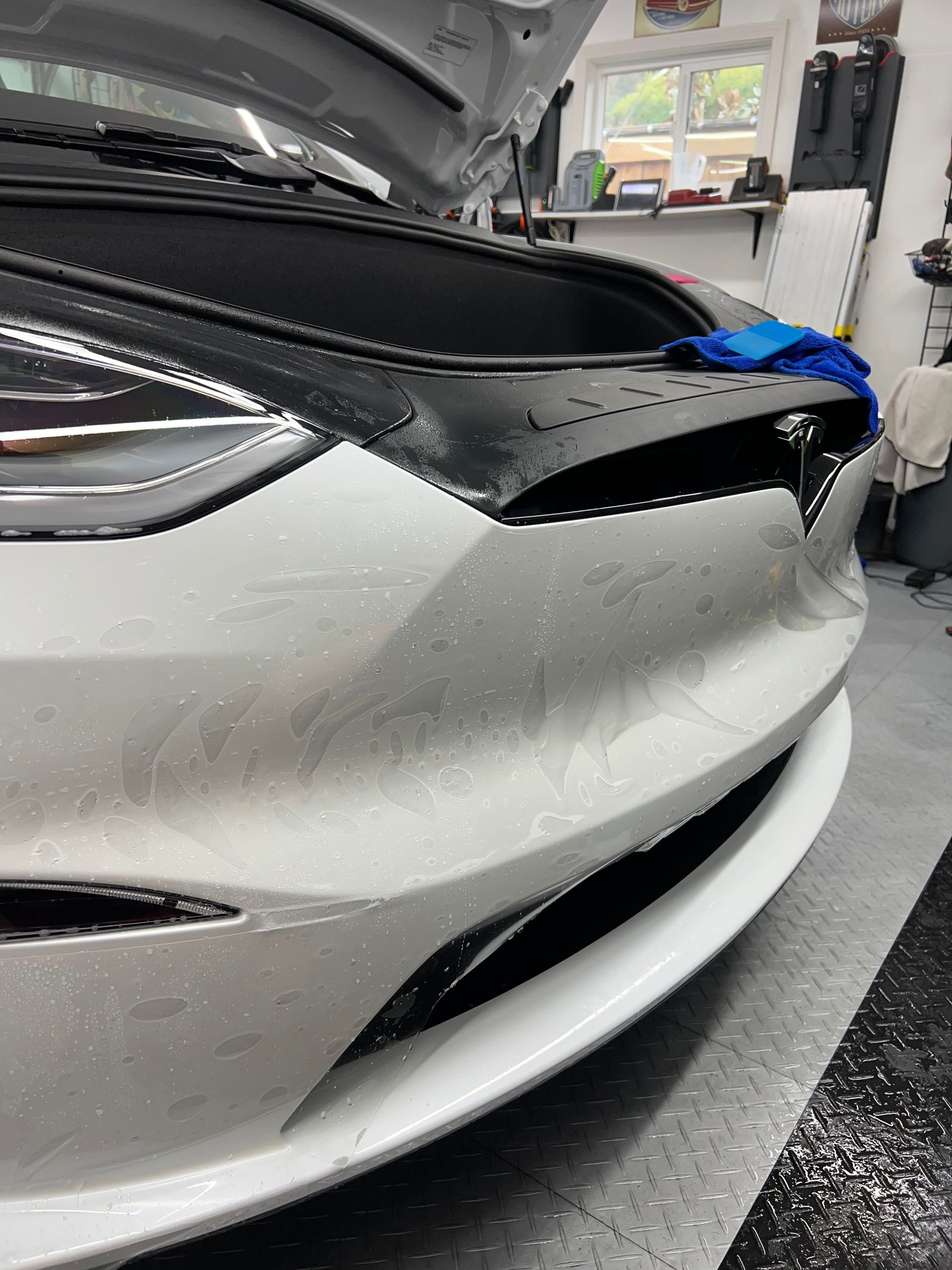
Tackling Complex Body Lines
Vehicles with sharp contours and aggressive curves challenge even seasoned detailers. Unlike flat panels, these shapes demand that paint protection film flex and stretch without tearing, bubbling, or lifting over time. The key to success lies primarily in choosing a film engineered for both elasticity and resilience. Advanced thermoplastic polyurethane films with specialized copolymers can stretch up to 150% of their original size. This flexibility ensures the film hugs every curve precisely, preserving the vehicle's sharp lines while guarding against chips and abrasions. Of course, flexibility alone isn't enough. Thickness plays a crucial role in durability and impact absorption, particularly on vulnerable edges and corners common in complex designs. Films around 10.0 mil thick offer enhanced protection without feeling bulky or distorting the vehicle's look. That harder layer shields paint from stones, road salt, and other environmental hazards that tend to exploit the more exposed lines on high-performance or off-road vehicles.
However, even the most advanced film is only as effective as the installer who works with it. Mastery over heat, tension, and angle is essential when molding PPF around aggressive creases or sculpted panels. Professional installers rely on heat activation between 120°F and 160°F to soften the TPU during application. This process allows them to carefully mold the film without over-stressing it or risking damage. Skilled technicians combine this with pressure-sensitive adhesives that securely bond the film while allowing minute adjustments for perfect alignment.
Another critical facet is precision cutting via computer-aided design (CAD) and plotter technology. Custom-cutting patterns for every panel ensure edges align flawlessly with trims and seams, reducing unnecessary stretching once installed. Cut-to-fit patterns also help maintain uniform thickness across intricate surfaces, promoting longevity. Ultimately, tackling complex body lines transforms PPF installation into a blend of science and artistry. The material must perform under stress without loss of clarity or protection, and the installer must have a nuanced understanding of film behavior and surface geometry. Together they create an invisible shield that preserves both form and function, a must-have for owners seeking durability without compromise on style.
Application Techniques and Best Practices
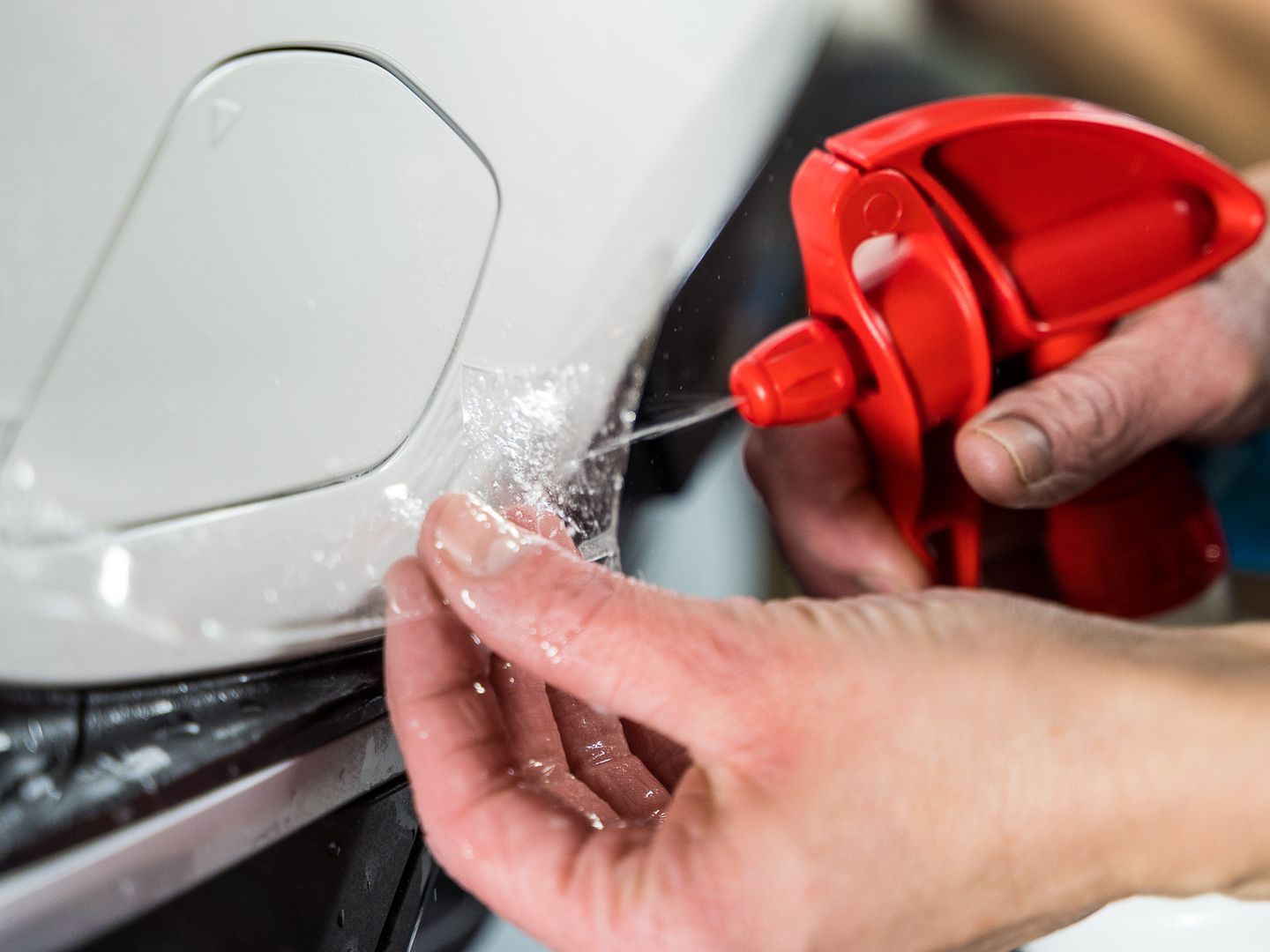
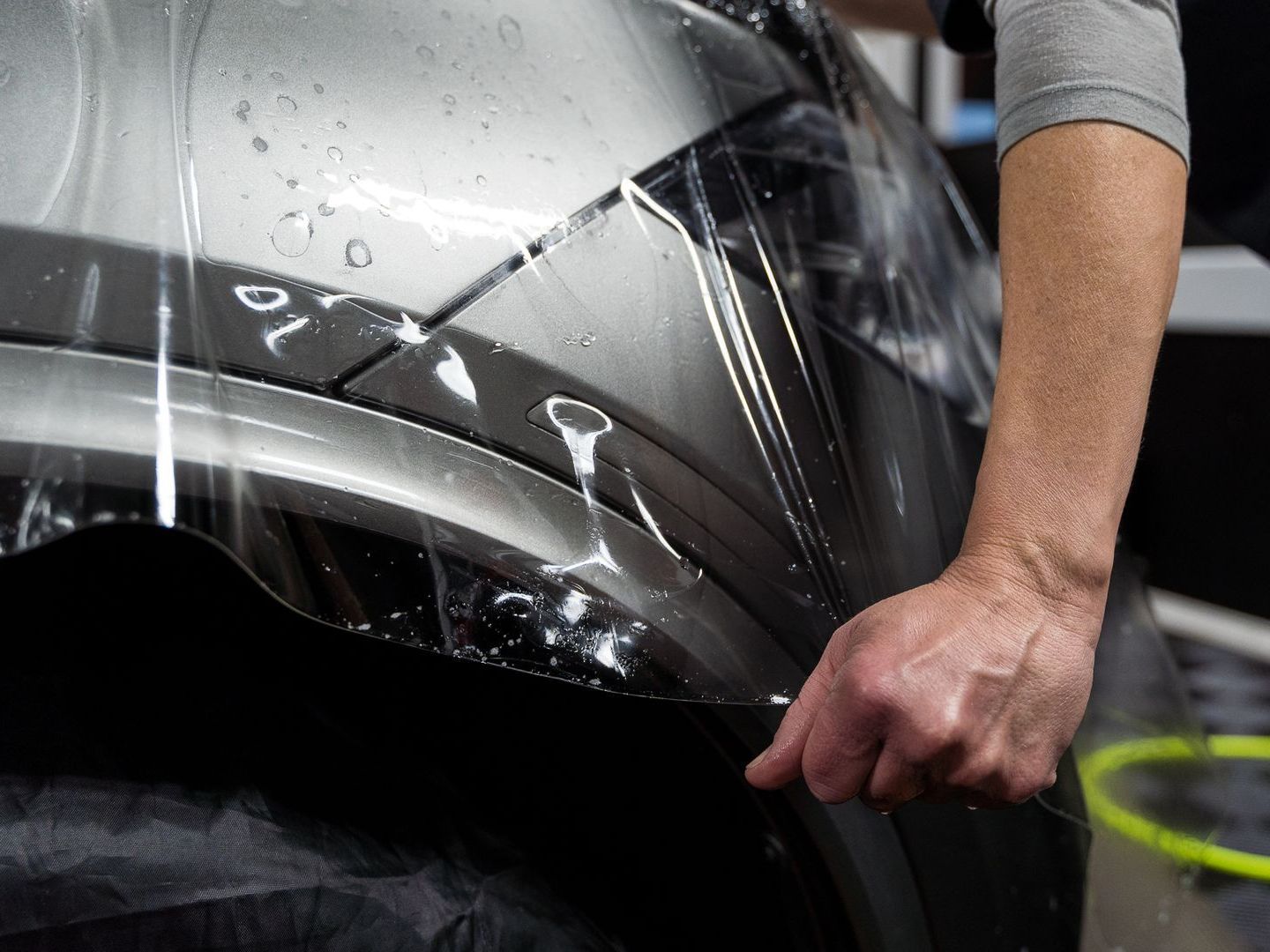
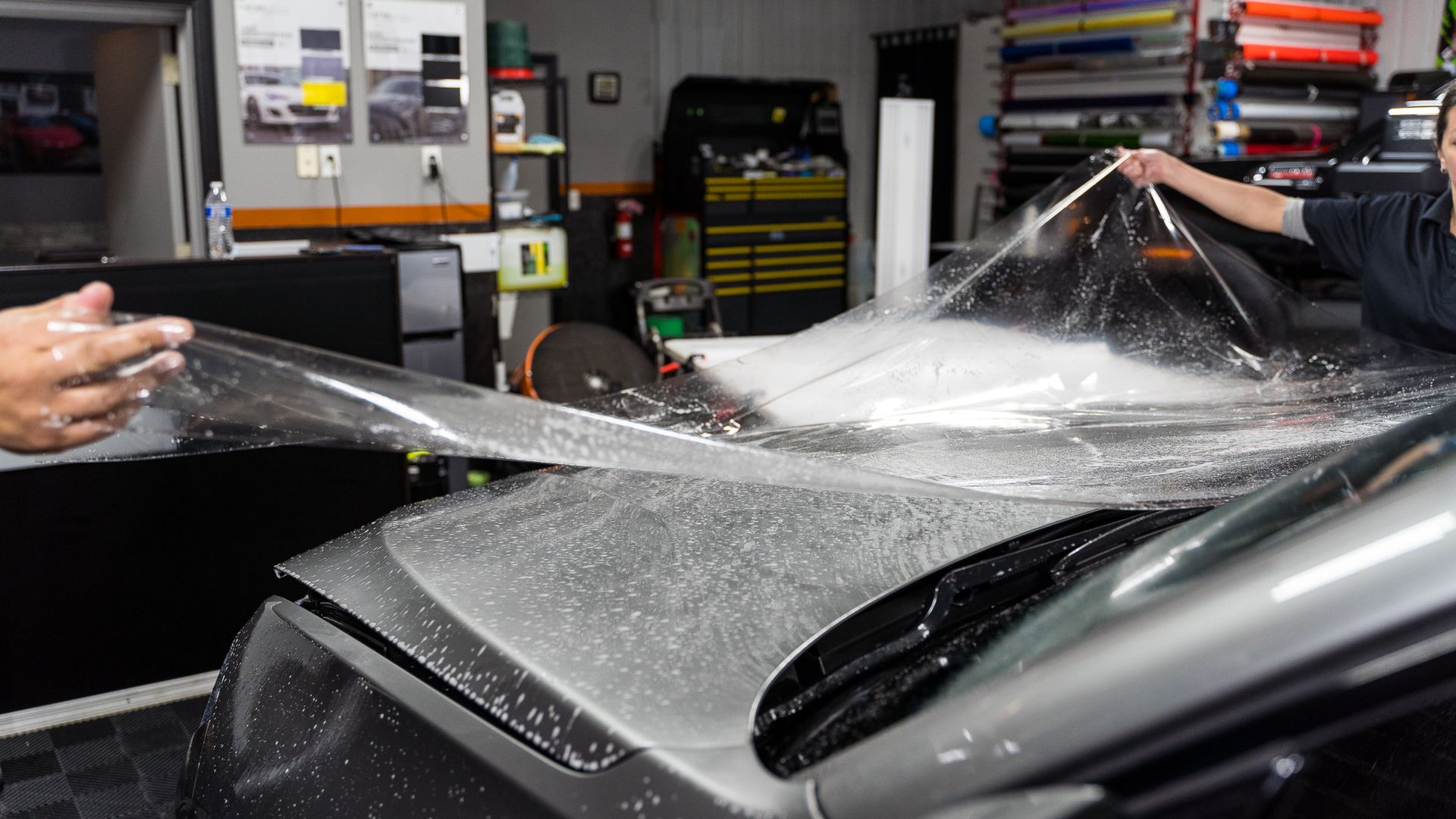
Applying paint protection film is much more than just sticking a clear layer onto your vehicle's surface. It's a precise craft that combines technical skill with a bit of artistry. The most common and effective way to manage this technique is through the wet application method, which offers installers the flexibility to reposition the film before it permanently bonds to the paint. This fluid approach greatly reduces mistakes on those tricky contours and edges that define complex body lines. The wet method starts with meticulous surface preparation. Every speck of dust or residue can compromise adhesion and cause bubbles, so thorough cleaning is non-negotiable. Using a mix of mild soap and water sprayed onto both the adhesive side of the film and the vehicle's surface creates a lubricating layer. This allows installers to slide the film into its exact position over curves, dips, and raised edges without it sticking prematurely. In essence, the lubricant buys valuable seconds for precision adjustments that dry applications simply don't allow.
Once aligned perfectly, removing trapped air and excess solution is critical to achieve a smooth, lasting finish. Skilled installers rely on soft-edged squeegees wielded at specific angles and with carefully controlled pressure. This stage demands patience because rushing can cause creases or missed bubbles, undermining both looks and durability. Following this, allowing proper curing time, often aided by gentle heat guns, activates the adhesive and helps the film conform intimately to sculpted surfaces. Professional experience shows that respecting every step in this process pays off exponentially in long-term protection and appearance. For instance, when dealing with complex bodywork, installers may spend three to five days on a full-coverage job. Though it might seem lengthy, this time ensures not only precise placement but also thorough edge sealing, a detail that prevents premature lifting by blocking water and dirt ingress.
Another subtle but key technique involves carefully managing heat application during installation. Warmth softens the polyurethane film just enough to mold it tightly around sharp bends without stretching it excessively. Over-stretching leads to distortion or premature failure. A well-heated film conforms gracefully rather than snapping or puckering harshly. Mastery of these methods safeguards your car's paint and enhances its aesthetic appeal by preserving factory crispness along every curve, a true mark of professional workmanship on vehicles with complex body lines.
Long-term Durability and Maintenance
The durability of paint protection film is what truly sets it apart as a long-lasting solution for safeguarding vehicles with complex body lines. High-end films come backed with warranties that stretch up to 12 years, reflecting their engineered resilience to environmental hazards and everyday wear. This longevity results from advanced materials like medical-grade thermoplastic urethane combined with nano-integrated coatings that repel UV rays and resist yellowing or cracking over time. Ensuring your PPF sustains this level of performance involves thoughtful, ongoing care. The first rule is using only pH-neutral soaps or dedicated automotive cleaners without harsh abrasives. High alkalinity or acidic detergents can degrade the film's surface chemistry, reducing its hydrophobic properties and dulling its shine. Alongside cleaning products, the choice of washing tools matters: soft microfiber cloths and gentle brushes that reach contours without scratching. Avoid automatic car washes that employ rough brushes or strong chemicals, as these can damage even premium films.
Beyond cleaning, regular visual inspections play a vital role in maintaining PPF integrity. Film edges are potential weak spots where dirt collects and adhesive bonding might loosen under stress or heat cycles. Catching slight lifting early allows prompt adhesive reapplication before dust or moisture infiltration causes bubbling or peeling. Keeping your PPF in peak condition also means being mindful about exposure beyond daily driving. Parked cars are vulnerable too. Whenever possible, choose shaded parking spots to reduce UV radiation stress on the film's surface. While modern films block up to 98% of harmful UV rays, prolonged intense sunlight exposure will gradually challenge any polymer layer. Paint protection film evolves beyond simple surface coverage. It becomes an investment in maintaining beauty and durability for vehicles both new and old. By choosing carefully and preparing adequately, drivers safeguard their prized assets against time and wear with confidence.
Precision PPF in Vancouver, WA
For drivers in Vancouver who want dependable protection for vehicles with sharp contours and intricate curves, Portland Pro Detail delivers
professional paint protection film services designed for a precise, custom fit. Their expertly installed PPF is engineered to flex and conform across aggressive body lines while maintaining clarity, strength, and consistent coverage where standard solutions often fall short. Using advanced films and meticulous installation techniques, Portland Pro Detail helps guard your paint from road debris, environmental exposure, and everyday driving conditions without compromising the vehicle’s original finish.
Schedule your paint protection film service today and keep even the most complex body lines protected for years to come!
Portland Pro Detail Blog